



Swimwear fabric guide: compare nylon spandex, polyester spandex, GSM, 4-way stretch, chlorine resistance, DWR finishes, and sourcing trends.
Table Of Contents
- What Swimwear Fabric Means on the Production Floor
- Fiber Composition Controls Performance
- GSM Decides Opacity, Support, and Cost
- Construction and Surface Texture Create the Design Story
- Finishes Convert a Fabric into a Product
- Laboratory Testing Protects the Order
- How a Merchandiser Reads a Swimwear Fabric Spec Sheet
- Sourcing Practice That Prevents Costly Errors
- Upcoming Trends in Swimwear Fabric
- Frequently Asked Questions
- Final Assessment
What Swimwear Fabric Means on the Production Floor
A swimwear fabric carries three duties at once. The fabric holds the body shape, it survives water, and it dries fast. A buyer sees color and hand feel. A textile engineer reads composition, weight, construction, and finish. These four data points predict garment performance long before the first sample lands on a table.
Merchandisers meet two fabric families in every swim program. Knitted stretch fabrics build bikinis, one-pieces, and competition suits. Woven fabrics build board shorts, swim trunks, beach shirts, and cover-ups. Both families share fiber chemistry. Both families follow different rules for weight and stretch.
The Knit Fabric: Warp-Knit Tricot and Jersey
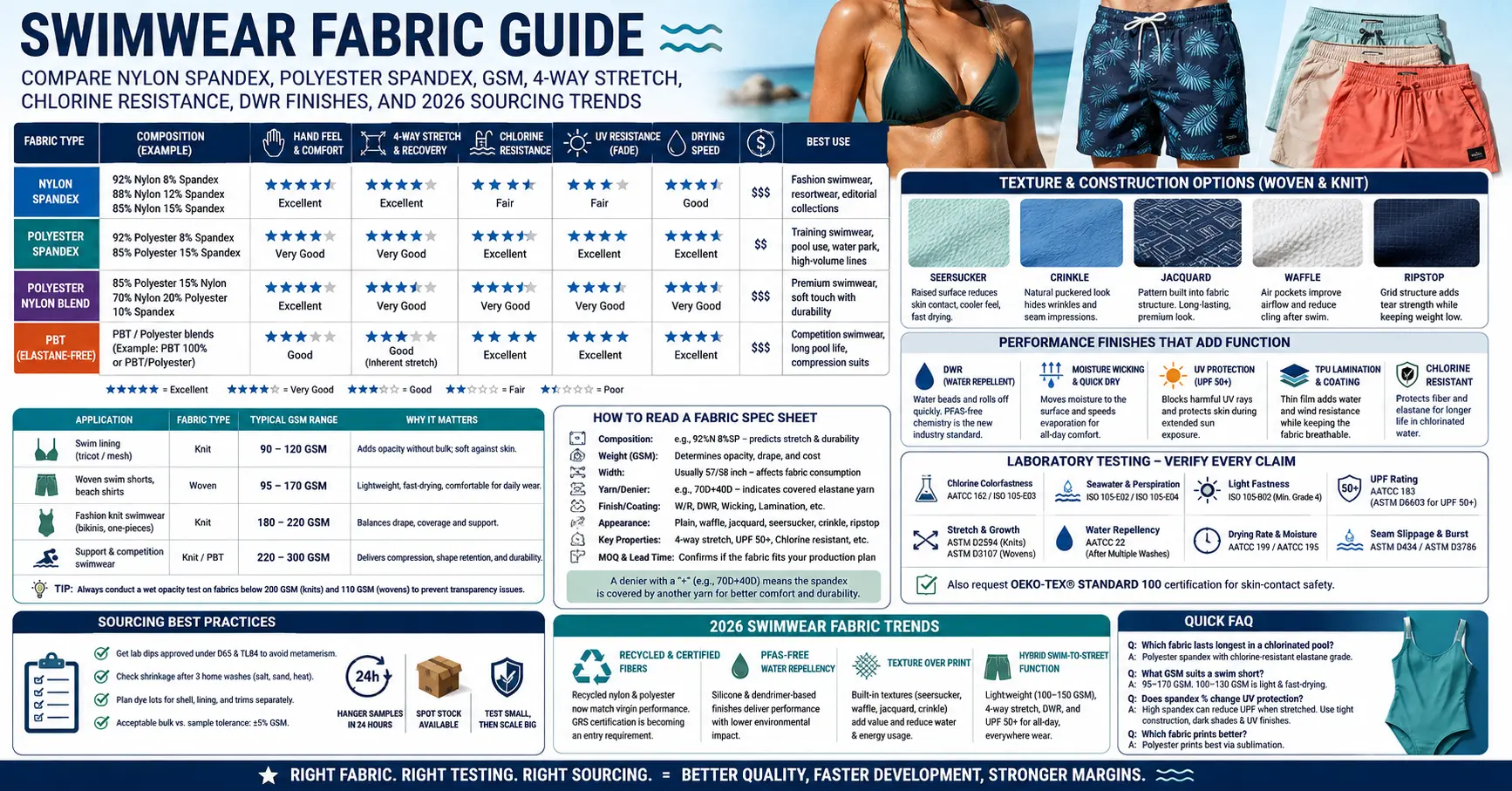
Warp-knit tricot dominates body-hugging swimwear. The knit locks the loops in a tight structure, so the fabric resists laddering and blocks light. Mills build these fabrics at 180 to 280 GSM for the outer shell. Lining tricot sits at 90 to 120 GSM. The knit structure delivers true 4-way stretch, which the garment needs during entry, exit, and movement in water.
The Woven Fabric: Swim Shorts and Beachwear
Woven swimwear fabric runs much lighter. A modern collection covers roughly 95 to 170 GSM in a 57/58 inch width. The weave gives shape retention, print clarity, and a crisp drape. Designers add spandex at 8 to 25 percent when the style needs mechanical stretch. Board short programs favor this family because the wearer expects a shorts silhouette, not a compression fit.
Fiber Composition Controls Performance
Fiber choice sets the ceiling for every other property. A finish improves a fabric. A finish never rescues the wrong fiber.

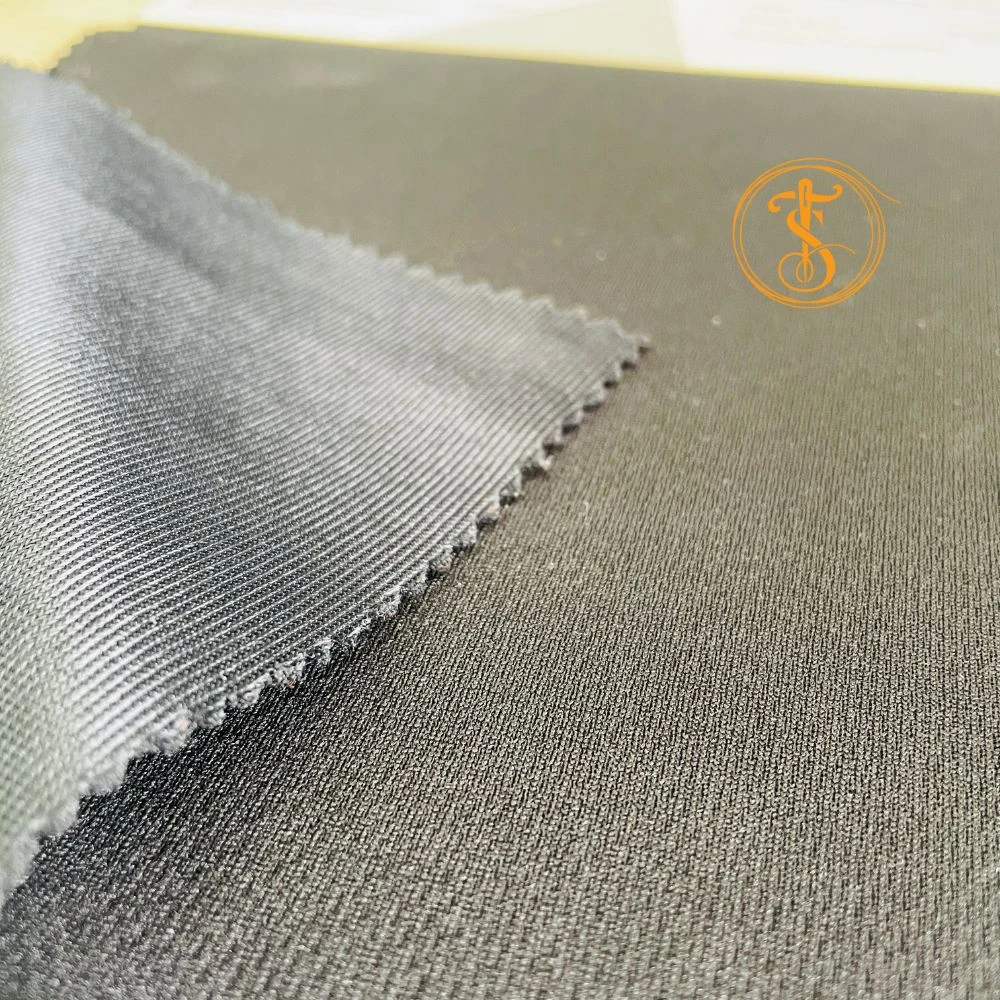
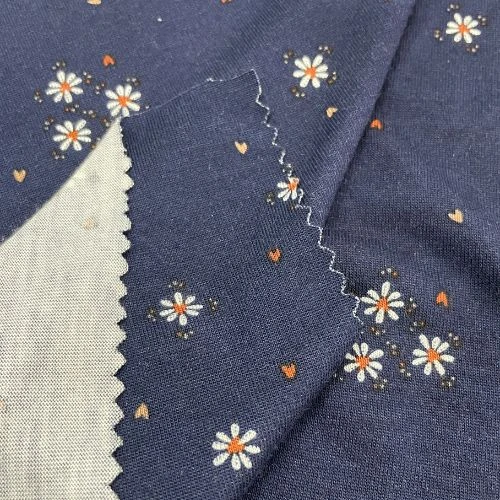

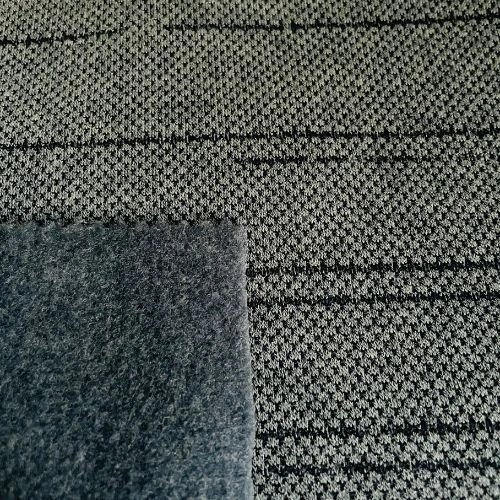
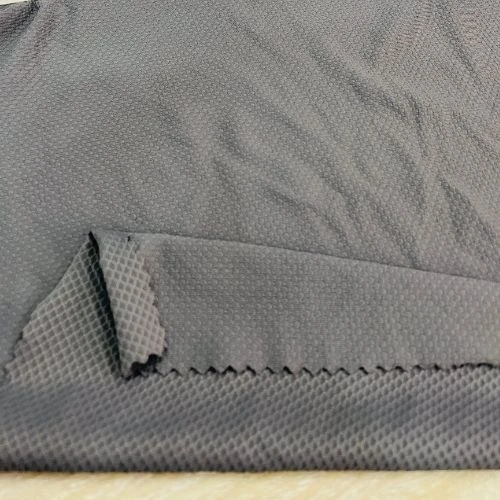
Nylon Spandex: Softness and Color Depth
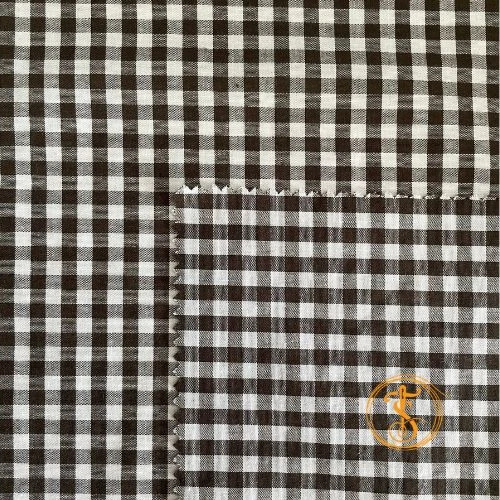
Nylon spandex (polyamide elastane) delivers the softest hand feel in swimwear. Common blends include 92% nylon with 8% spandex, 88/12, 85/15, and 75/25. The higher spandex ratio raises elongation and recovery. Nylon accepts acid dyes evenly, so solid colors read rich and deep. Fashion swim brands select nylon for editorial photography and resort collections.
Nylon shows two limits. Chlorine attacks the fiber and the elastane over a season of heavy pool use. Ultraviolet light fades unprotected nylon faster than polyester. Merchandisers accept these limits for beach-led programs and reject them for competitive swim.
Polyester Spandex: Chlorine and UV Endurance
Polyester spandex answers the durability question. The polyester chain resists chlorine degradation, holds color under sunlight, and absorbs very little water. A 92/8 or 85/15 polyester spandex fabric dries faster than a comparable nylon construction. Sublimation printing bonds directly with polyester, so complex prints reproduce with sharp edges and strong wash fastness.
Polyester also lowers cost per meter by roughly 20 to 30 percent against nylon at equal weight. High-volume swim programs, water park uniforms, and training suits use this advantage.
Polyester Nylon Blends and Cationic Yarns
Mills blend both fibers to balance touch and toughness. An 85% polyester 15% nylon woven fabric gains a softer surface without losing polyester stability. A 70% nylon, 20% polyester, 10% spandex construction produces a strong herringbone surface for premium swim shorts. Cationic dyeable polyester creates two-tone and heather effects in a single dye bath, which shortens the dye cycle and cuts water use.
PBT and Chlorine-Resistant Elastanes
PBT (polybutylene terephthalate) offers inherent stretch without elastane. Competition suits use PBT blends at 190 to 220 GSM for compression and long pool life. Chlorine-resistant elastane grades extend the service life of standard blends. Buyers should request the elastane grade in writing, because standard elastane and chlorine-resistant elastane look identical in a swatch.
GSM Decides Opacity, Support, and Cost
Fabric weight drives three commercial outcomes: coverage, shape retention, and price.
| Application | Typical GSM | Reason |
|---|---|---|
| Swim lining (tricot/mesh) | 90–120 | Adds opacity without bulk |
| Woven swim shorts, beach shirts | 95–170 | Keeps the garment light and fast-drying |
| Fashion knit swimwear | 180–220 | Balances drape and coverage |
| Support and competition swimwear | 220–300 | Delivers compression and pool durability |
A light fabric saves cost and dries quickly. A light fabric also risks transparency when wet. Merchandisers should run a wet opacity check on every lot below 200 GSM in knits and below 110 GSM in wovens. The test takes two minutes and prevents a full-season complaint.
Construction and Surface Texture Create the Design Story
Surface texture separates a premium swim program from a commodity one. Woven swimwear fabric offers a wide texture library, and each texture carries a production consequence.
Seersucker and Crinkle
Seersucker uses differential warp tension to create permanent puckers. The raised surface reduces skin contact, so the garment feels cooler and dries faster. Crinkle nylon spandex produces a similar effect through mechanical or chemical treatment. Both textures hide seam impressions and pressing marks.
Jacquard, Dobby, and Stripe Effects
Jacquard looms build the pattern into the fabric structure. The pattern survives every wash because no print sits on the surface. Stripe jacquard and dobby diamond textures give designers a quiet luxury option for resort lines. Lead times run longer for jacquard, because the mill sets the loom for each design.
Waffle, Bubble, and Ripstop
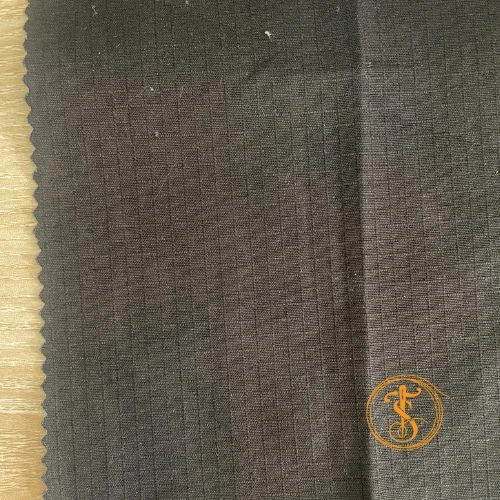
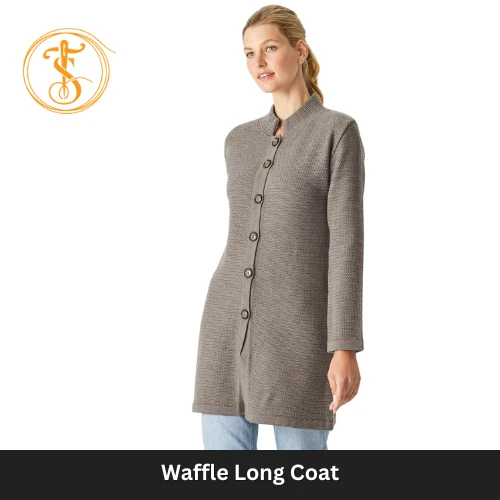
Waffle and bubble constructions trap air pockets and lift the fabric off the skin. The result improves airflow and reduces cling after a swim. Ripstop grids add tear strength at low weight, which suits travel-focused shorts and packable cover-ups.
Finishes Convert a Fabric into a Product
A finish adds a measurable function. Every finish also adds cost, so the tech pack must justify each one.
DWR and Water Repellency
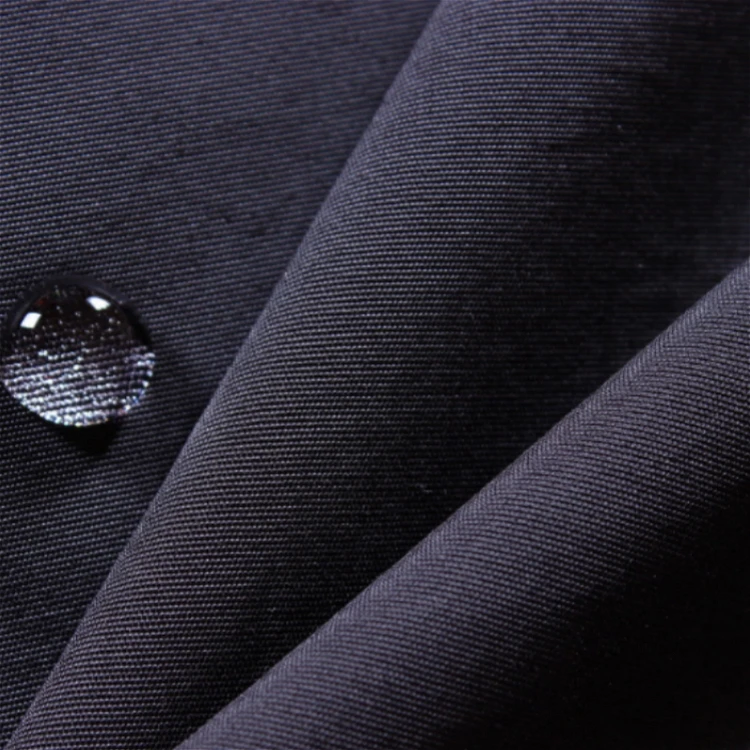
Durable water repellent (DWR) treatment forces water to bead and roll off the surface. Swim shorts with DWR shed water at the beach exit and feel dry within minutes. Brands now demand PFAS-free chemistry across the European Union and several United States markets. Suppliers should provide a PFAS-free declaration and a spray-test result at wash cycle zero and wash cycle twenty.
Moisture Wicking and Quick Dry
A wicking finish, or an engineered cross-section yarn, moves water along the fiber surface to the outer face. The larger surface area speeds evaporation. Quick-dry performance matters most in hybrid swim-to-street styles, where the wearer walks from the water to a restaurant.
TPU Lamination and Coating
A TPU lamination bonds a thin film to the face fabric. The laminate blocks wind and water while the fabric stays breathable. A 95 GSM laminated polyester works well for hybrid beach jackets and technical swim shorts.
Laboratory Testing Protects the Order
Experience in bulk production teaches one lesson clearly: an approved swatch proves nothing without test data. A swimwear fabric package should include the following results.
- Chlorine colorfastness: AATCC 162 or ISO 105-E03
- Seawater and perspiration fastness: ISO 105-E02 and ISO 105-E04
- Light fastness: ISO 105-B02, minimum grade 4
- UPF rating: AATCC 183 with ASTM D6603 labeling for UPF 50+ claims
- Stretch and growth: ASTM D2594 for knits, ASTM D3107 for stretch wovens
- Water repellency: AATCC 22 spray rating after repeated washes
- Drying rate and moisture management: AATCC 199 and AATCC 195
- Seam slippage and bursting strength: ASTM D434 and ASTM D3786
Buyers should also request an OEKO-TEX STANDARD 100 certificate. The certificate confirms restricted substance compliance for skin-contact garments.
How a Merchandiser Reads a Swimwear Fabric Spec Sheet
A supplier spec sheet compresses the whole fabric story into eight lines. A trained reader decodes it in under a minute.
- Composition shows the fiber ratio, for example 92%N 8%SP. The ratio predicts stretch, hand feel, and chlorine behavior.
- Weight in GSM predicts opacity and cost.
- Width in inches, usually 57/58 inch, drives marker efficiency and consumption per garment.
- Thread count such as 75D×75D or 70D+40D×70D+40D reveals yarn fineness and the presence of an elastane core.
- Coating or finish lists W/R, DWR, moisture wicking, or lamination.
- Appearance names the surface: plain, waffle, jacquard, crinkle, seersucker, ripstop, or diamond.
- Key properties summarize the claims that testing must confirm.
- Minimum order quantity and lead time decide whether the fabric fits the calendar.
A denier figure with a plus sign, such as 70D+40D, signals a covered elastane yarn inside the construction. That single detail explains the stretch level faster than any marketing line.
Sourcing Practice That Prevents Costly Errors
Sample support speed shapes a season. Suppliers who release hanger samples within 24 hours let a design team lock the range before the calendar tightens. Spot stock reduces risk further, because the brand tests a small quantity before a bulk commitment.
Merchandisers should confirm four items before a purchase order.
- Lab dip approval under two light sources, D65 and TL84, to control metamerism.
- Shrinkage data after three home washes, because swim garments face salt, sand, and heat.
- Dye lot planning, since a single garment mixes shell, lining, and trim from different lots.
- Bulk-versus-sample tolerance for weight, usually ±5 percent GSM.
Upcoming Trends in Swimwear Fabric
The next two seasons push swim development in four clear directions.
Recycled and Certified Fibers
Recycled nylon from fishing nets and recycled polyester from post-consumer bottles now match virgin fiber on stretch, color, and durability. Global Recycled Standard (GRS) certification verifies the content claim through the supply chain. Brands increasingly treat GRS documentation as an entry requirement, not a bonus.
PFAS-Free Water Repellency
Regulation continues to remove long-chain fluorochemistry from apparel. Silicone-based and dendrimer-based repellents now deliver acceptable spray ratings, though wash durability still trails older chemistry. Development teams should plan one extra round of trials for PFAS-free DWR programs.
Texture Over Print
Buyers shift budget from surface print to built-in structure. Seersucker, waffle, bubble crinkle, and jacquard textures carry the design value inside the weave. This shift also lowers water and energy use, because the mill skips a printing stage.
Hybrid Swim-to-Street Function
Consumers wear swim shorts as day shorts. This behavior raises demand for wrinkle resistance, soft hand feel, four-way stretch, and UPF 50+ protection in one fabric. Lightweight wovens between 100 and 150 GSM with a DWR finish serve this segment well.
Frequently Asked Questions
Which swimwear fabric lasts longest in a chlorinated pool?
Polyester spandex lasts longest. Polyester resists chlorine attack, and a chlorine-resistant elastane grade protects the stretch component. PBT blends extend service life further.
What GSM suits a swim short?
Woven swim shorts perform well between 95 and 170 GSM. A 100 to 130 GSM fabric feels light and dries fast. A 140 to 170 GSM fabric gives more body and better opacity.
Does spandex percentage change UV protection?
A high spandex percentage can reduce UV protection, because the fabric thins under stretch. Tight construction, darker shades, and a UV absorber finish restore the UPF rating.
Which fabric prints better?
Polyester prints better through sublimation. Nylon needs acid dye printing or transfer methods, which raises cost and limits some effects.
Final Assessment
Swimwear fabric selection follows a logical sequence. The end use defines the fiber. The fiber defines the durability ceiling. The weight defines coverage and cost. The construction defines the design signature. The finish adds function, and laboratory testing confirms every claim on paper.
A merchandiser who applies this sequence controls quality before production starts. That control protects margin, shortens development, and builds a swim program that performs in salt water, in chlorine, and under strong sun.


Comments - 00
Leave A Reply
Thanks for choosing to leave a comment.