

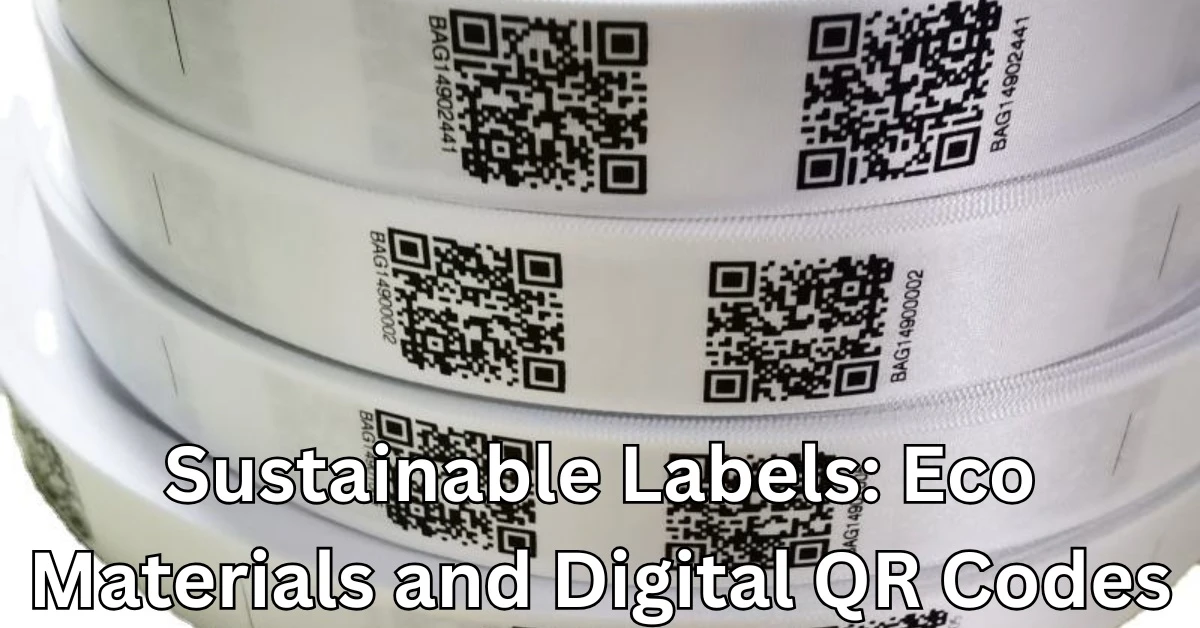
Labels do more than display size. Labels shape trust. They guide buyers toward better choices. They also reveal how a product begins, travels, and ends. This article explores sustainable label materials and digital QR codes that support transparency and cut waste.
Table Of Contents
Why Labels Matter for a Sustainable Brand?
Consumer Demand and Numbers
Around 52% of buyers prefer eco-friendly goods. Nearly 50% of millennials request full ingredient and origin transparency. Labels deliver this proof fast. A QR scan shares stories, certificates, and supply chain facts in seconds.
Cost and Supply Chain Impact
Label cost ranges from $0.02 to $1.50 per unit. A smarter label cuts returns and customer confusion. This saves money and boosts satisfaction. Many brands report a 10–30% rise in perceived product value through better labeling.
Eco-Friendly Label Materials (Physical)
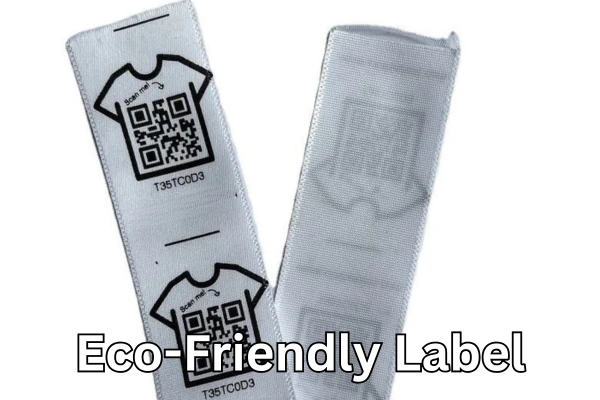
Recycled Paper and Kraft Board
Recycled paper reduces virgin fiber use by 20–50%. PCR (post-consumer recycled) paper also carries a lower carbon footprint. FSC and similar certifications confirm traceability.
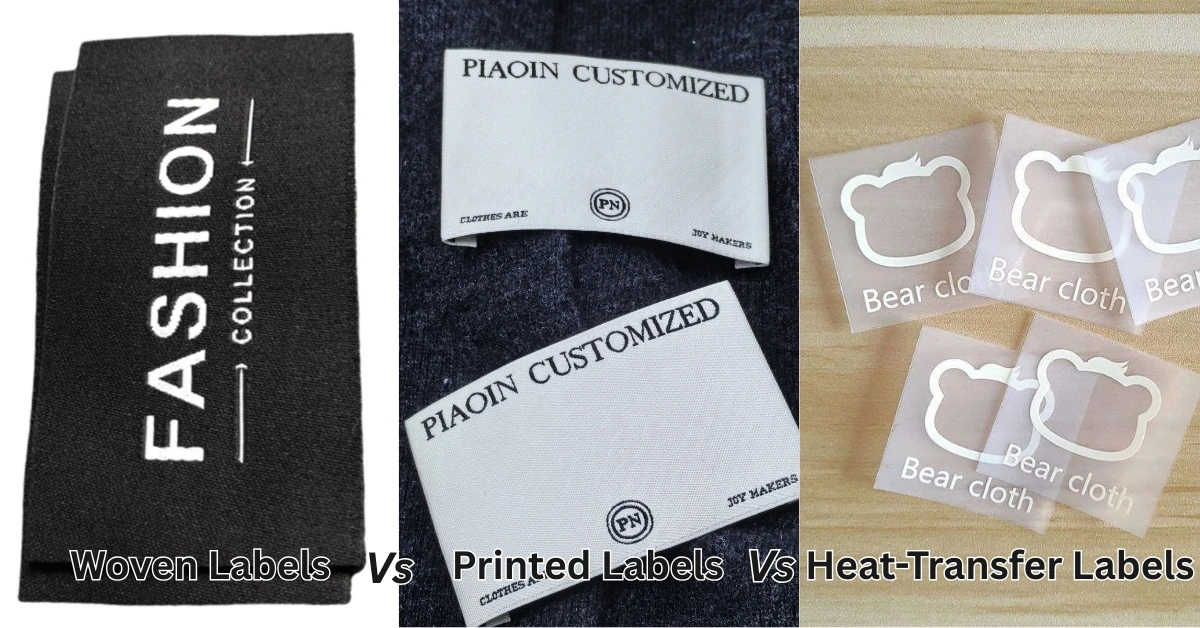
Organic Cotton and Woven Cloth Labels
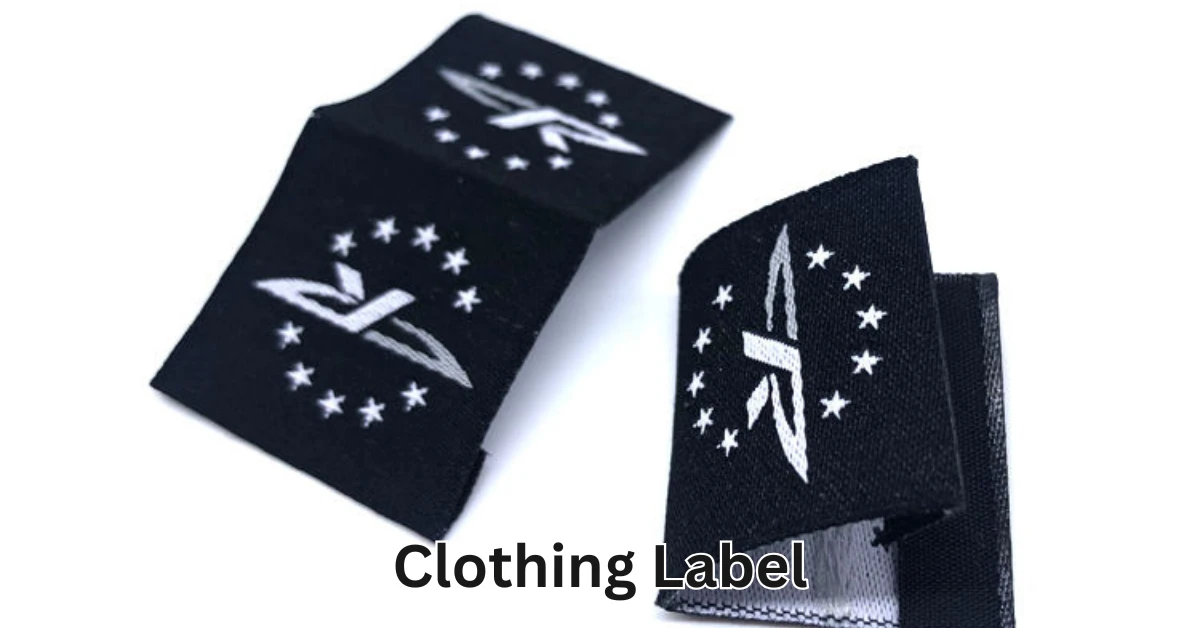
Cloth labels last longer than paper. Organic cotton ensures chemical-free fibers. Certifications like OEKO-TEX and GOTS offer clear safety and sustainability proof.
Biodegradable Films and Compostable Options
PLA and plant-based films resist water and break down under compost conditions. Many home compost environments treat these materials well. Clear disposal guidance helps avoid contamination.
Low-Impact Inks and Adhesives
Water-based inks reduce VOC emissions. Solvent-free adhesives support recycling. Always request ink and glue technical data sheets to confirm safety.
Digital Labels: QR Codes, NFC, and Traceability
QR Codes for Product Stories
QR codes cost almost nothing. A single code unlocks a product page with certifications, wash guides, repair steps, and sustainability data. Keep the landing page fast. Slow pages destroy scan engagement.
NFC and Smart Labels for Premium Lines
NFC chips offer tap-based authentication. They cost more than QR codes but suit premium fashion, luxury bags, and technical outerwear. They also confirm originality, reducing counterfeits.
Blockchain and Supply Chain Proof
Blockchain records raw material origin and batch history. A QR scan retrieves this immutable log. This boosts trust in claims such as “100% recycled polyester” or “ethically sourced cotton.”
How to Choose the Right Label Strategy?
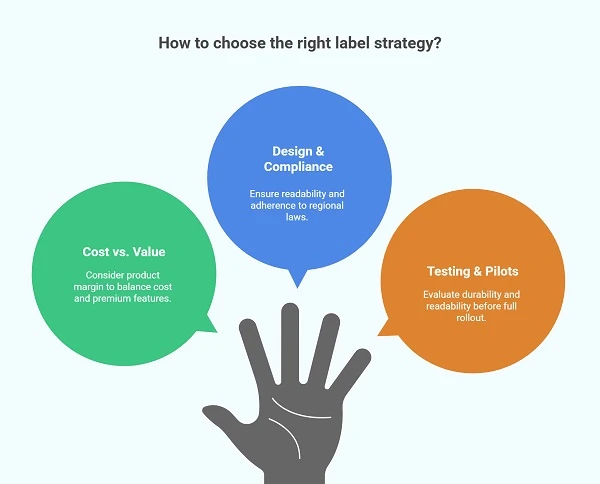
Cost per Unit vs. Lifetime Value
Low-margin products fit QR codes and recycled paper. High-margin items justify woven labels, NFC, and premium finishes. Brands often recover label investment within 6–12 months.
Design, Readability, and Compliance
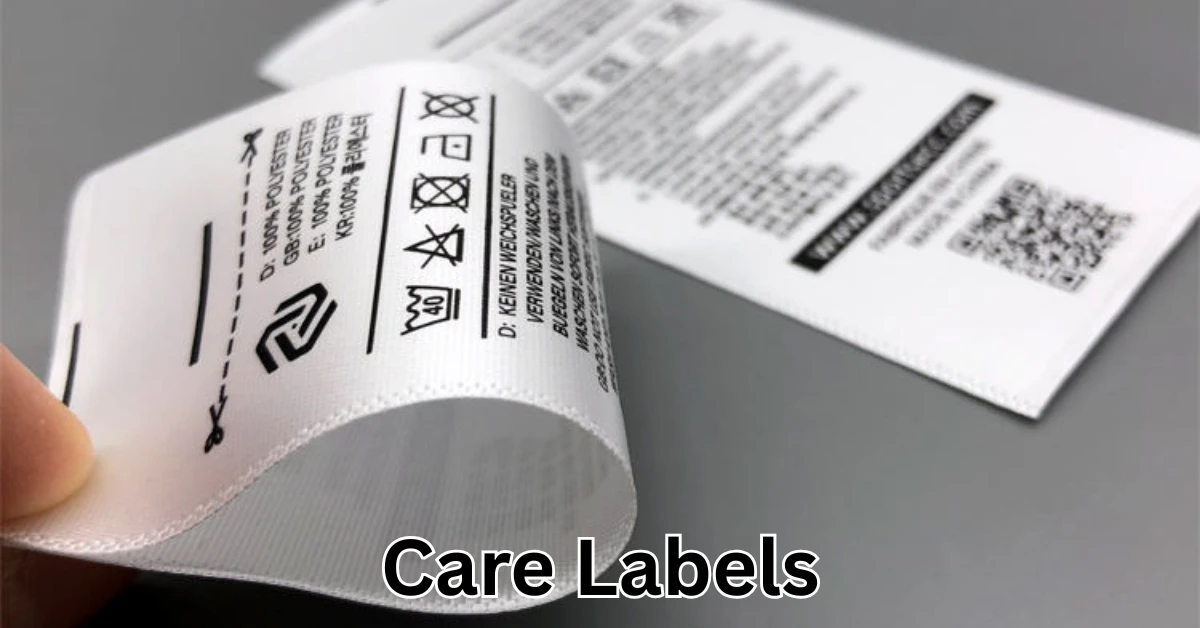
Follow regional laws for fiber content and care symbols. Ensure print contrast stays readable even after wash cycles. Test under different lighting.
Testing and Small-Batch Pilots
Run a test with 500–1,000 units. Evaluate wash durability, tear strength, ink bleed, and QR scan success. Adjust material specs before full rollout.
Practical Steps for Brands (Checklist)
Vendor Questions and Spec Sheet
Ask suppliers for:
- Technical data sheets
- Certification proof
- Adhesion and wash test results
- Sample photos
- Material composition
KPIs to Track
Monitor these numbers:
- QR scan rate
- Customer satisfaction score
- Return rate after label update
- Cost per unit and ROI timeline
Case Study Snapshot (Small Brand Example)
A small apparel label moved from PVC tags to 100% recycled kraft paper with digital QR codes. Cost dropped from $0.12 to $0.06. QR scans reached 18% within the first month. Returns decreased 7% in 90 days. Sales improved by 6%, where repair and care content came from the QR landing page.
Conclusion
Sustainable labels help brands prove what they claim. Eco materials reduce waste. Digital QR codes offer transparency and extra value without visual clutter. Brands that combine both enjoy stronger trust, better data, and a cleaner supply chain. A label may be small, but its influence is huge.
FAQs
1. Which label material suits heavy-wash garments?
Organic cotton woven labels or polyester satin with low-migration inks perform best under high wash cycles.
2. Do QR codes slow production?
No. Printers add QR art to existing setups. Variable data printing supports serial coding with minimal time impact.
3. Can QR codes work offline?
No. They need an internet connection to load linked content. Include limited text on the label for offline access.
4. How do brands prove eco claims?
Display certifications, COAs, audit results, and raw material documents on the QR landing page.
5. Are digital labels hard for older buyers?
Not if the brand keeps both options. Printed info helps everyone. QR codes simply add more details on demand


Comments - 00
Leave A Reply
Thanks for choosing to leave a comment.