


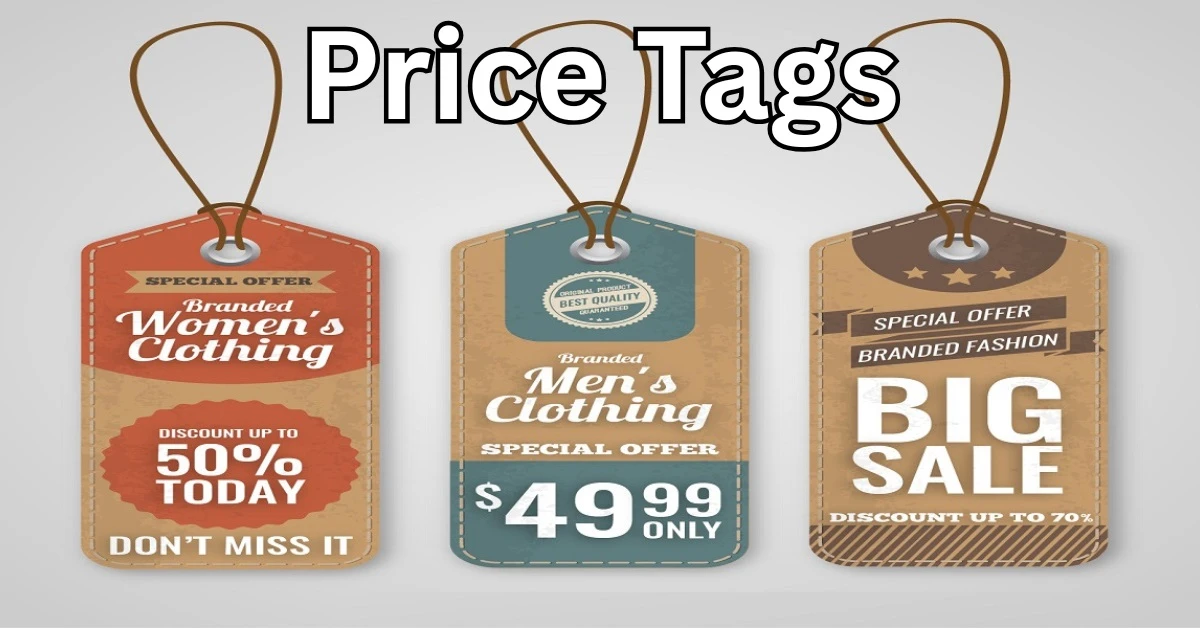
Price tags look simple, but they influence more than half of a shopper’s buying decision. A 2023 retail survey reports that 64% of buyers check the price tag before they even touch the product. I used to ignore that tiny rectangle until I understood the science behind it — materials, printing technology, brand psychology, and durability factors.
This article explains what price tags are, the materials used to make them, and the printing methods that create high-quality results.
Table Of Contents
What Are Price Tags?
A price tag shows the cost of a product and also reflects the brand’s identity. Think of it as the smallest marketing tool in the entire retail system.
Core Functions of Price Tags
- Display the price
- Communicate discounts
- Provide product and SKU information
- Support barcode and QR code scanning
- Strengthen brand identity
Why Price Tags Matter
Retail studies show that 82% of in-store pricing errors come from unclear, damaged, or poorly printed labels. When tags stay consistent and readable, shoppers decide faster and feel more confident.
Materials Used for Price Tags
The material shapes the tag’s texture, durability, and impact. Each option gives a different impression.
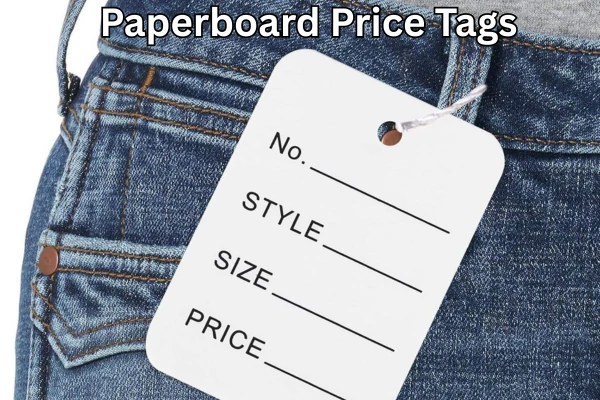
Paperboard Price Tags
Paperboard remains the most commonly used material.
Key Features
- GSM range: 250–400
- Lightweight yet strong
- Excellent print clarity
- Fully recyclable
Where It Is Used
Widespread in apparel, accessories, and lifestyle products due to its premium yet affordable profile.
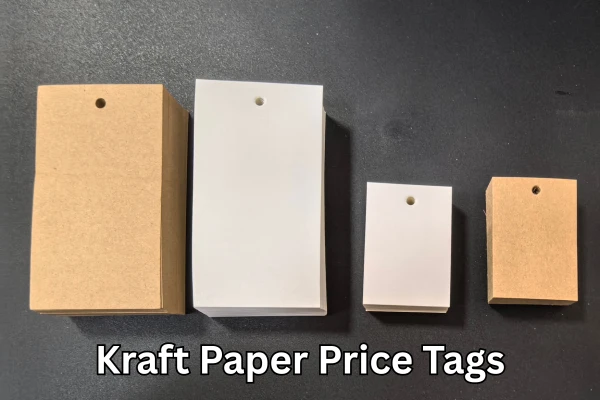
Kraft Paper Price Tags
Kraft gives a natural and rustic look.
Characteristics
- Around 30% higher strength than standard paper
- Eco-friendly appearance
- Textured, earthy aesthetic
Ideal Applications
Organic clothing brands, handmade products, and eco-conscious labels.
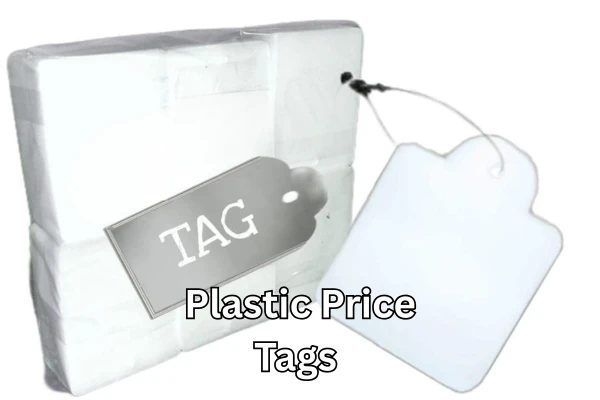
Plastic Price Tags
Plastic tags focus on durability.
Key Features
- Water-resistant
- Tear-resistant
- Long shelf life
Where Plastic Tags Work Best
Footwear, sports gear, electronics, and outdoor equipment.
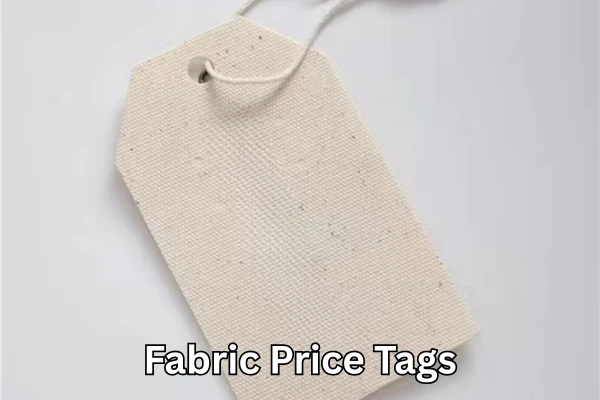
Fabric Price Tags
Fabric tags sit in the premium category.
Main Features
- Made from cotton, canvas, or satin
- Soft touch
- Luxurious look
- Higher cost
Best Used For
High-end fashion, designer garments, boutique accessories.
Price Tag Printing Techniques
Once the material is chosen, the printing method determines the clarity, durability, and visual appeal.
Offset Printing
Offset gives high-quality results for bulk production.
Benefits
- High color accuracy
- Ideal for large quantities
- Cost per unit drops after 5,000 pieces
Digital Printing
Digital printing suits fast and flexible production.
Benefits
- Great for small batches under 2,000 units
- Supports variable data (sizes, SKUs, barcodes)
- Faster turnaround
Flexographic Printing
Flexo works best for plastic tags.
Strengths
- High-speed production
- Suitable for multiple substrates
- Less ink waste
Screen Printing
Screen printing creates bold and textured details.
Advantages
- Works for metallic and raised effects
- Good for medium quantities
- Strong color density
Additional Enhancements for Price Tags
Some brands add extra finishing processes to strengthen design impact.
Embossing and Debossing
These textures add depth: embossing lifts, debossing sinks.
Foil Stamping
Studies show foil stamping increases visual attention by up to 40%. Popular choices include gold, silver, and holographic foil.
UV Spot Coating
Enhances shine and protects the surface, improving the tag’s lifespan.
How Price Tags Influence Branding
A simple tag can shape a shopper’s perception instantly. Research shows that 72% of consumers judge product quality based on packaging details, including the price tag. The brain forms this impression in just 0.05 seconds.
Conclusion
Price tags may look small, but they carry a big responsibility. They guide shoppers, protect brand identity, and support retail systems. The right material and printing method turn a price tag into a powerful silent ambassador. A few grams of paper can influence a customer’s entire buying journey
FAQs
1. What material is most common for price tags?
Paperboard remains the top choice due to cost-effectiveness and print quality.
2. Which printing method offers the best clarity?
Offset printing delivers the highest precision for large batches.
3. Are Kraft price tags eco-friendly?
Yes. Kraft paper uses natural fibers with minimal chemical processing.
4. Why do luxury brands prefer fabric price tags?
Fabric gives a premium look and improves the tactile experience.
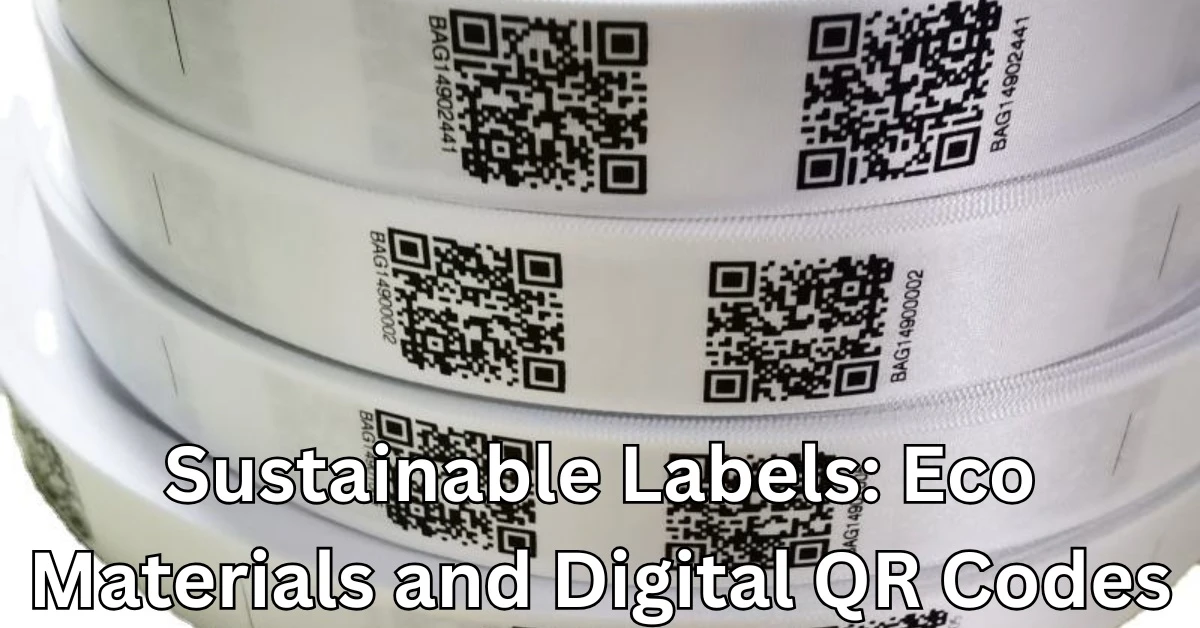
5. Can price tags include QR codes?
Yes. Digital and offset printing support QR integration easily


Comments - 00
Leave A Reply
Thanks for choosing to leave a comment.