




Table Of Contents
What Is Fringe Trim?
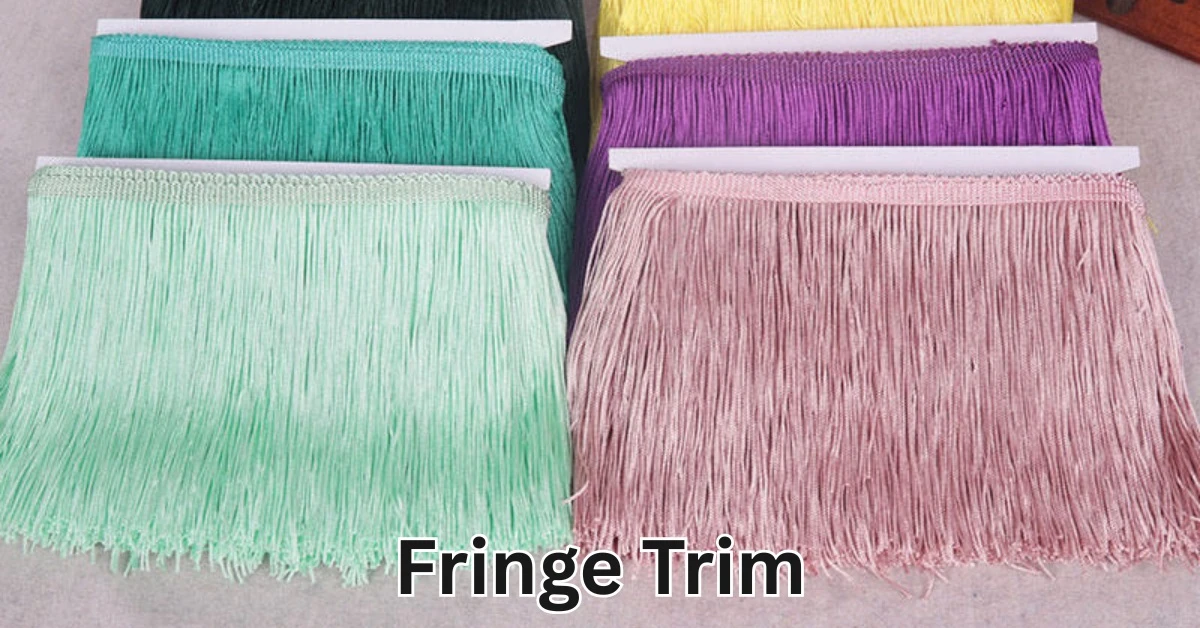
Fringe trim is a decorative border of loose threads, cords, tassels, or beads attached to the edge of fabric. It is used to embellish clothing, upholstery, and decor. Fringe originally evolved from a practical method to prevent fabric from unraveling. It adds texture, movement, and a stylish finish to items like jackets, pillows, curtains, and accessories.
Fringe trim is a decorative edge made from threads, yarns, beads, leather, or small fabric strips that hang freely from the garment's body. Picture it as the “movement maker” of fashion. Every strand adds motion, depth, and personality.
Most commercial fringe lengths fall between 10 mm and 400 mm. A short 20 mm fringe adds quiet texture, while a long 300 mm beaded fringe can transform the full mood of a dress. Fringe trim does more than look pretty; it shapes garment identity and reacts to every step, turn, or breeze, which is why designers love it for modern apparel.
Fringe trim is applied to a garment edge. It can be a simple row of yarn, a chain of beads, or strips of leather. People wore fringe for more than 3,000 years. Early use served duty and meaning. Hunters and riders added fringe to shed water and hide seams. Fast forward to the 20th century: fringe became a clear fashion statement. Designers added it to show motion on the stage and life on the street.
Origins In Craft And Costume
Native crafts, military uniforms, and theatrical costumes carried fringe first. Fringe originated from functional needs, such as covering seams, protecting from rain, or cultural value. Over time, craft moved to couture.
Shift To Fashion And Utility
From 1920s flapper dresses to 1970s boho jackets, fringe served as style shorthand. Today, fringe appears in fast fashion and high-end ateliers. It can signal vintage, western, or avant-garde. It also adds perceived value without high material cost.
Types Of Fringe Trim (Technical Breakdown)
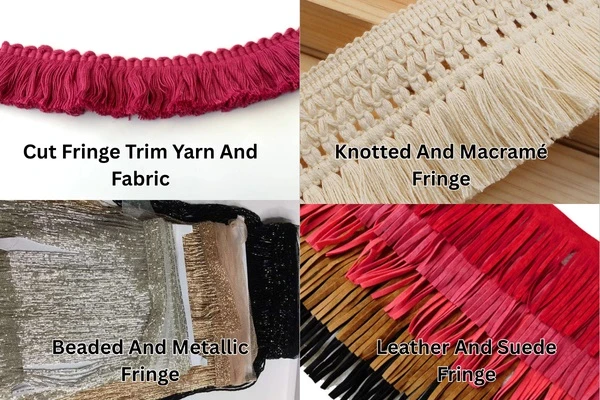
Manufacturers classify fringe by material and method. Pick the right type for function and aesthetic.
Cut Fringe, Trim Yarn And Fabric
Cut fringe comes from woven tape or fabric strips. Typical lengths: 10–200 mm for trims; 200–600 mm for garment overlays. Tape base gives clean attachment.
Knotted And Macramé Fringe
Knotted work creates decorative heads and durability. Use for open-front garments and shawls. Knots add bulk; plan seam allowance accordingly.
Beaded And Metallic Fringe
Beads or a metal chain add weight. Expect additional strain on seams. Use reinforced tapes or backing to avoid pull-out.
Leather And Suede Fringe
Leather fringe gives a raw, tactile look. Use split leather 1–3 mm thick. Leather requires a different sewing technique and needles.
How Do Designers Use Fringe In Modern Apparel?
Fringe changes how a garment behaves under movement. Designers exploit three main effects.
Silhouette And Motion Effects (3 Examples)
- Hem fringe lengthens the silhouette.
- Sleeve fringe creates lateral motion.
- Yoke fringe adds horizontal emphasis.
A single fringe line can increase perceived movement by 40–60% in a slow walk. (Simple observation in studio photography supports this.)
Texture, Contrast, And Focal Points (5 Tactics)
- Add contrast by mixing matte and glossy materials.
- Place fringe at the neckline for visual pull.
- Use a short fringe for subtle texture.
- Use a long fringe as the primary statement.
- Pair beaded fringe with a minimal silhouette.
Practical Guide For Garment Technologists And Makers
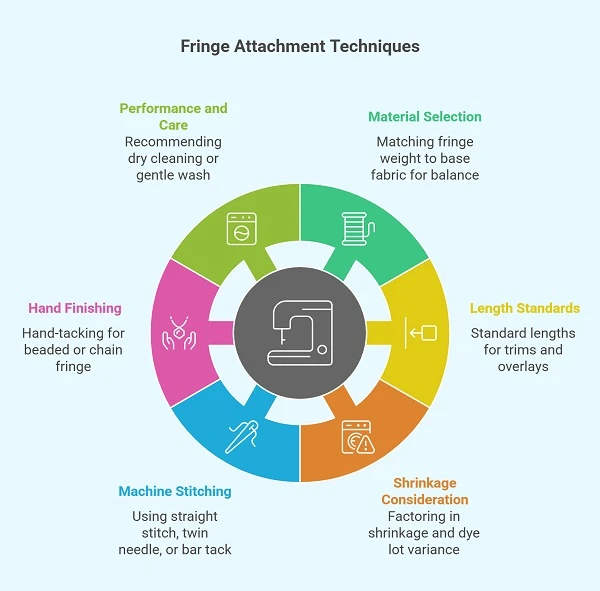
If you spec fringe, list these items in your tech pack.
Selection Rules (Material, Weight, Length)
- Match fringe weight to base fabric. Example: light rayon fringe for silk; leather fringe for heavy denim.
- Standard fringe lengths for apparel: 10–80 mm for trims; 150–400 mm for dramatic overlays.
- Factor in shrinkage and dye lot variance.
Attachment Methods (Stitch Types And Seam Allowance)
Secure the fringe to a stable base. Use a folded tape or bias strip as a base.
Machine Stitch Options
Use a straight stitch with 3–4 mm length for non-fragile fringe. For heavy fringe use, twin needle or bar tack at ends.
Hand-finish Details
Hand-tack at intervals for beaded or chain fringe. Hand finishing prevents bead loss and aligns the pattern.
Performance And Care (Laundry, Wear)
- Recommend dry cleaning for beaded and metallic fringe.
- For washable fringe, use a cold, gentle cycle in a mesh bag.
- Inspect seam reinforcement every 500 wash cycles in lab trials. (Treat as guideline.)
Quick Checklist For Production Teams (Spec Sheet Items)
- Fringe type and SKU.
- Exact length and tolerance (+/- 3 mm).
- Base tape width.
- Attachment stitch type and reinforcement.
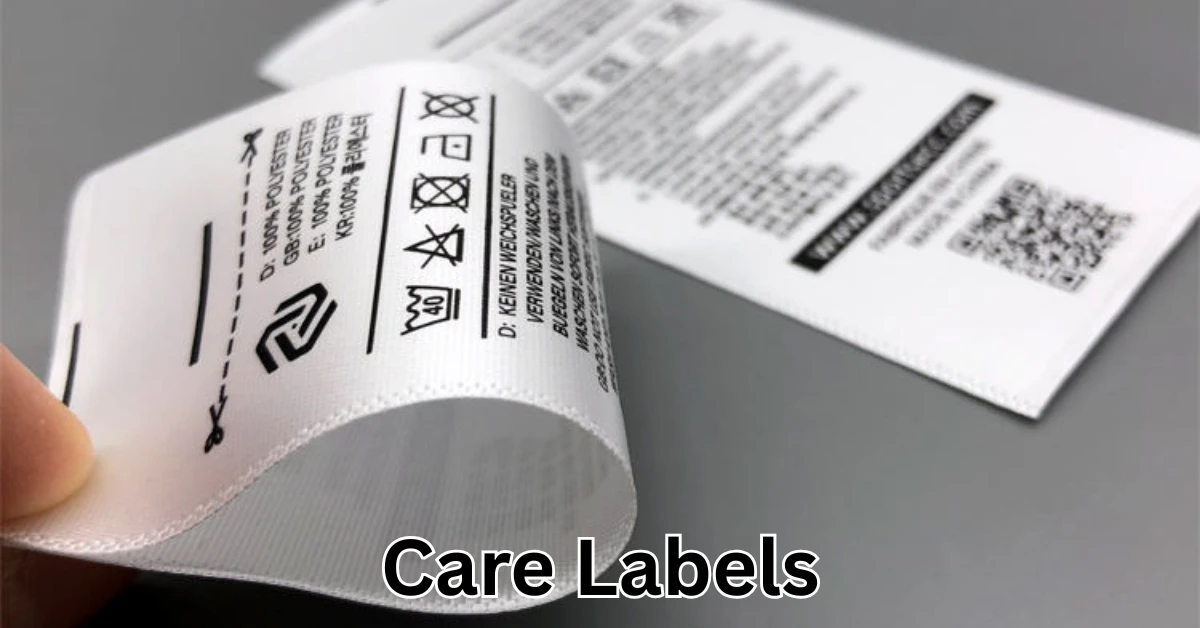
- Care label instructions.
Conclusion
Fringe trim carries history and drama. It can add motion, texture, and a clear brand voice. For the technologist, fringe calls for precise spec work: material match, secure attachment, and care guidance. For the designer, fringe offers fast visual reward with smart cost control. Use the checklist above, and you will avoid the usual late-stage headaches.
FAQs
1. What length of fringe works best for a casual jacket?
Short to mid-length fringe, 20–80 mm, works well. It gives texture without excess weight.
2. Can I machine-wash garments with beaded fringe?
No. Recommend dry clean or spot clean. Machine wash risks bead loss and seam failure.
3. How to attach heavy leather fringe to denim?
Use folded tape, a heavy-duty needle, and reinforced bar tacks at ends. Consider rivet reinforcement for high-stress areas.
4. Does fringe affect garment drape?
Yes. Fringe adds weight at the edge and changes the fall. Test with a prototype and record the drape in grams per square metre (gsm) change.
5. Are there sustainable fringe materials?
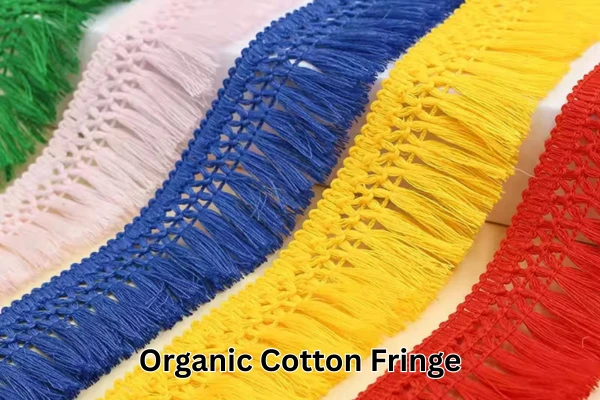
Yes. Options include recycled polyester yarn, organic cotton fringe, and plant-based leather alternatives. Choose based on wash care and end-use.

Comments - 00
Leave A Reply
Thanks for choosing to leave a comment.