



Table Of Contents
What Is Silicone Trim?
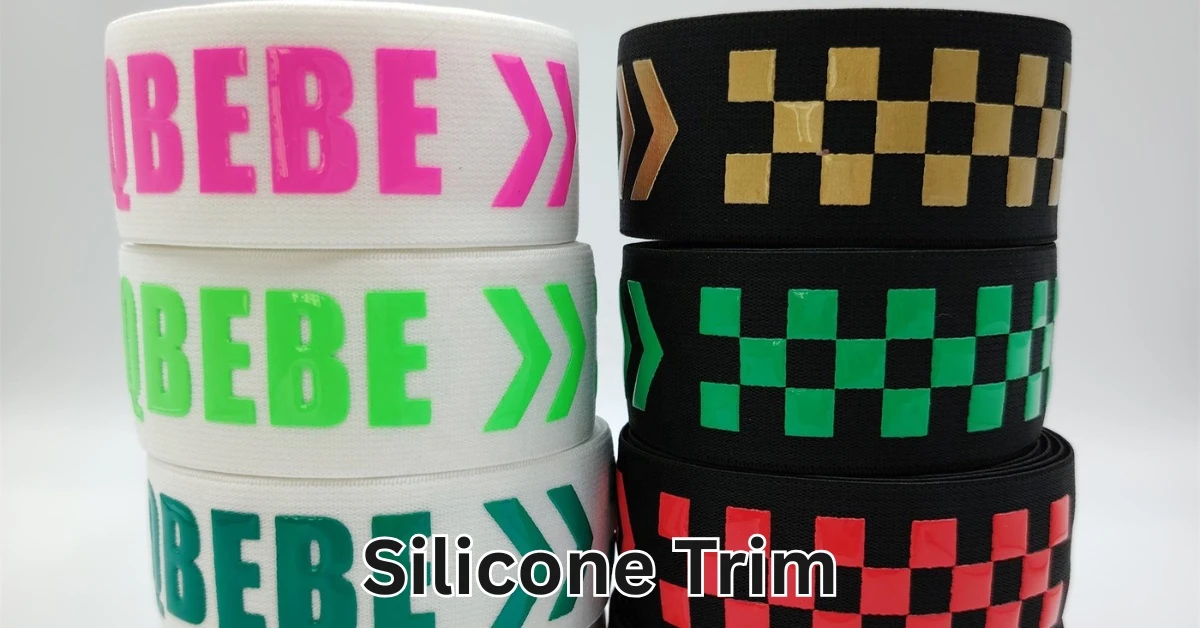
Silicone trim refers to molded or transferred silicone rubber elements used as logos, badges, or decorative details on garments. Think badges on the chest. Think raised logos on sleeves. They sit on top of fabric. They do not fray. They feel smooth or slightly rubbery. Brands like them for clarity and durability.
Why choose silicone? Simple. It holds shape. It keeps color. It resists abrasion better than many printed inks. It gives a premium look with a 3D feel. For activewear, that matters.
Materials And Technical Specs
Shore hardness
Silicone trim typically measures between Shore A 20 and Shore A 80. Lower numbers mean soft, rubbery parts. Higher numbers mean firmer, stiffer badges. Choose a lower hardness for a smooth patch on a jacket. Choose higher for rigid logos.

Temperature range
Silicone stays stable across a wide range of temperatures. Typical limits run from -60°C to +230°C. That range keeps a trim, flexible in cold runs and intact through hot wash cycles.
Thickness and tensile strength
Common thickness lies between 0.8 mm and 3 mm. Tensile strength typically falls within the 5–15 MPa range. Those numbers translate to a patch that resists tearing and keeps adhesion under stress.
Color and pigment
Silicone accepts opaque pigments well. It yields saturated colors and crisp edges. Multi-color trims arrive by layering or multi-shot molding.
Common Types Of Silicone Trim
Flat silicone patches
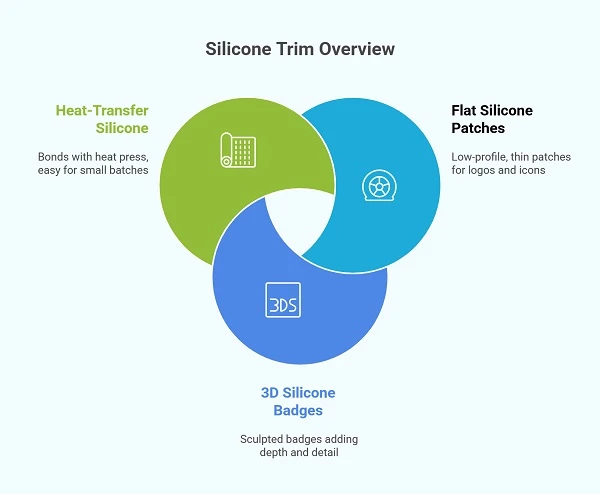
Flat, thin. They sit low-profile. Use them for sleeve logos and care icons.
3D silicone badges
These look sculpted. They add depth. They show detail in logos, mascots, and emblems.
Heat-transfer silicone
This type bonds with a heat press. It combines the look of silicone with the ease of transfers. Good for small batches and on tricky fabrics.
Production Methods
Molding
Silicone gets poured into steel or silicone molds. Curing occurs at controlled temperatures. Multi-shot molds yield two-color or raised relief pieces. Molding suits medium to large runs.
Transfer/heat press
Producers cast thin silicone films. They cut shapes. Then, a heat press applies adhesive. This method fits flexible placement and saves cost for smaller runs.
Lamination
Some trims get bonded via hot-melt adhesives or ultrasonic welds. Lamination gives a clean finish without sewing.
Silicone Trim Performance In Sportswear
Durability
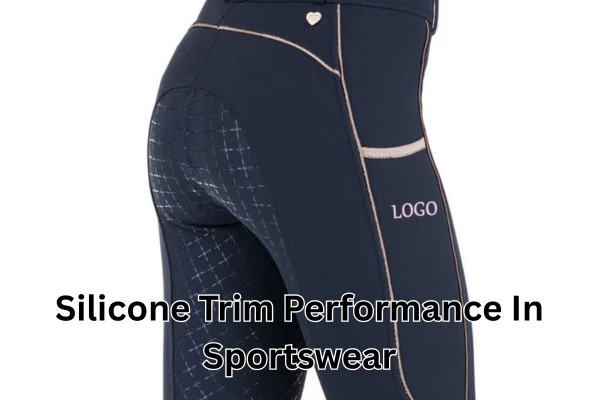
Silicone resists abrasion and flex. Typical lifespan of an athlete’s shirt: 2–5 years under regular use. That depends on wash frequency and heat exposure.
Wash and abrasion resistance.
Silicone holds form through 50+ wash cycles in most cases when bonded properly. Avoid constant exposure to high-heat tumble drying; heat reduces adhesive life.
Sweat and UV
Silicone rejects water. Sweat has little effect. UV exposure can fade pigments over a long time. Use UV-stable pigments for outdoor kits.
Design And Branding Tips
Color and contrast
Use strong contrast for readability at a distance. A 3D badge works well for team crests. Keep thin strokes above 1.5 mm so mold detail stays sharp.
Placement
Common spots: chest (logo), cuffs (mini badge), back neck (brand label). Think ergonomics. Place trims where flex is low to prevent early edge lift.
Texture and tactility
Silicone adds touch. A raised logo invites a hand. That interaction builds perceived value. Use this intentionally.
Cost, Sustainability, And Lifecycle
Cost
Silicone trim costs more than a simple printed transfer. Expect higher tooling costs for molds. Per-piece price drops with volume. For many brands, the premium adds perceived value that offsets cost.
Repair vs replace
If a patch peels, repair by re-lamination or replacement. In many cases, replacing the garment remains cheaper for low-margin items.
Recycling considerations
Silicone is not as recyclable through common municipal streams as thermoplastics. If sustainability ranks high, evaluate silicone alternatives or design for remove-and-replace to extend the garment's life.
Applications
- Team jerseys: durable chest crests.
- Trainer uppers: small silicone logos near laces.
- Outdoor jackets: silicone hem grips to stop ride-up.
- Swimwear: heat-transfer silicone that survives chlorine.
A brand can use one method for small runs. It can use multi-shot molds for premium limited editions. The choice affects cost, turnaround, and look.
Conclusion
Silicone trim gives brands a robust way to mark sportswear. It brings tactile appeal, high contrast, and strong durability. You get a logo that looks sharp after many washes. You pay more for tooling and materials, but you earn a premium finish and better longevity. For performance clothes, silicone often beats printed inks when you want clarity and long life. It feels good to touch. It reads well from the stands. That matters.
FAQs
1: How long does silicone trim last on a racing jersey?
With proper bonding and moderate washing, expect 2–5 years. High heat and harsh chemicals shorten life.
2: Can silicone trim peel after repeated washes?
Yes, if the adhesive fails or if the wash temperature is too high. Use heat-bonded or sewn edges to improve the life.
3: Will silicone trim affect breathability?
A small patch has a minimal effect. Large panels may reduce breathability locally. Place trims where airflow matters less.
4: Is silicone safe for contact with skin?
Medical-grade silicone meets skin-safe standards. Most garment silicone uses food- or skin-safe formulas. If the user has sensitive skin, test first.
5: What alternatives exist to silicone trim?
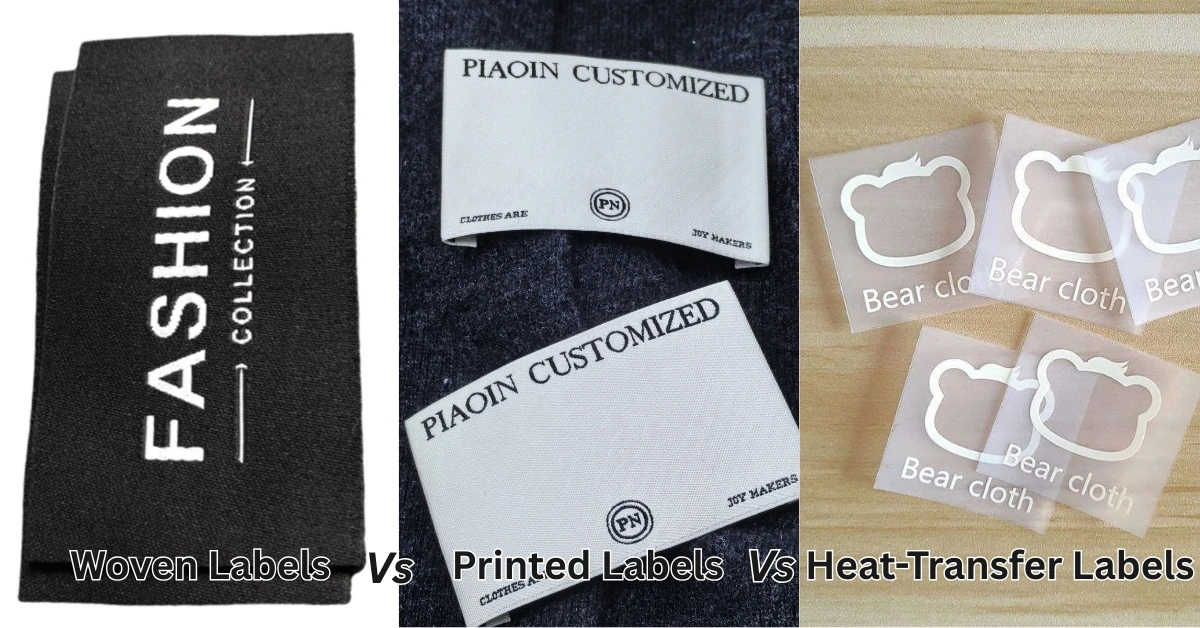
Alternatives include woven labels, PVC patches, embroidered badges, and printed transfers. Each option trades off cost, look, and durability.


Comments - 00
Leave A Reply
Thanks for choosing to leave a comment.