



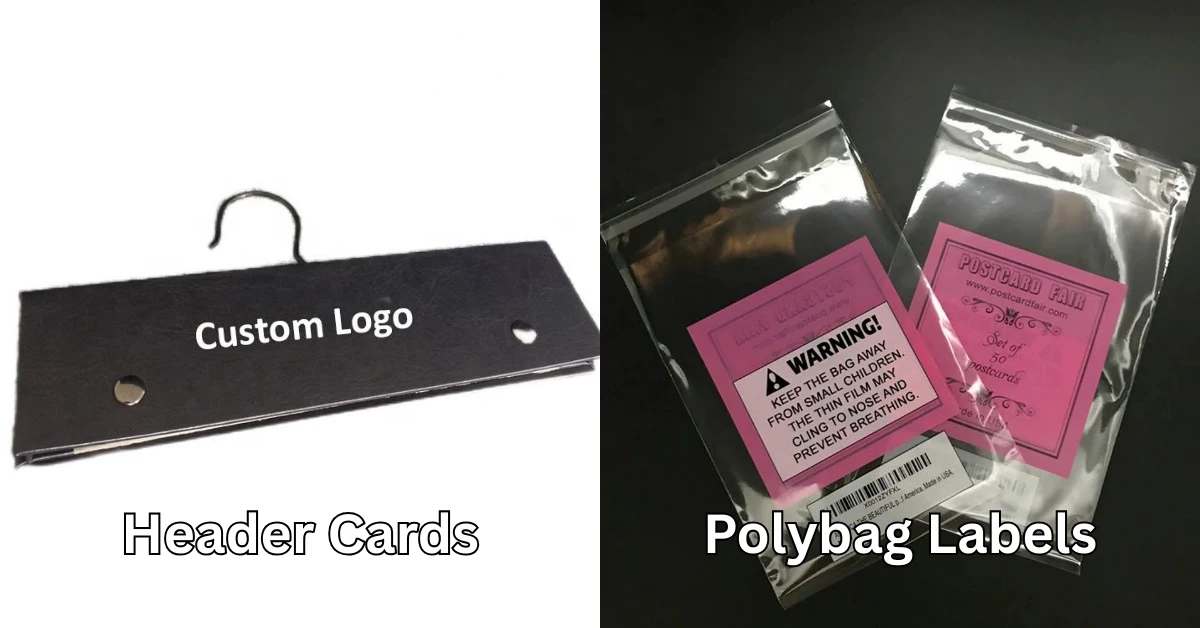
Packaging feels boring until it fails. I learned that the hard way when a shipment got rejected because of a missing suffocation warning—painful lesson. Today, header cards and polybag labels sit at the heart of apparel packaging. They protect products, carry legal data, and sell the brand silently.
Let’s break them down clearly, without fluff, and with real industry logic.
Table Of Contents
- Fundamentals of Apparel Packaging
- What Are Header Cards in Apparel Packaging?
- What Are Polybag Labels in Apparel?
- Key Differences Between Header Cards and Polybag Labels
- Importance of Header Cards and Polybag Labels in Retail and Export
- Compliance, Standards, and Buyer Requirements
- Sustainability Trends in Apparel Packaging Labels
- Common Mistakes Brands Make with Header Cards and Polybag Labels
- How to Choose the Right Header Card and Polybag Label
- Final Thoughts from a Garments Technologist
- Conclusion
- FAQs
Fundamentals of Apparel Packaging
In apparel exports, packaging counts for almost 12–18% of the total accessory cost. That number surprises many people. Header cards and polybag labels form a major share of that cost.
They do three jobs:
- Product identification
- Legal compliance
- Retail presentation
What Are Header Cards in Apparel Packaging?
Header cards are printed cards attached to the top of polybags. You often see them hanging on hooks in retail stores. Simple card. Big job.

Purpose of Header Cards
Header cards serve three clear purposes:
- They allow peg hanging in retail
- They show brand identity
- They provide quick product information
Retail studies show that 65% of purchase decisions happen at the shelf. Header cards speak at that moment.
Common Materials Used for Header Cards
Most header cards use:
- Duplex board (250–400 GSM)
- Ivory board
- Recycled kraft board
Standard Sizes and Shapes of Header Cards
Common sizes include:
- 2 × 4 inches
- 3 × 5 inches
- 4 × 6 inches
Printing Methods Used on Header Cards
Header cards rely on:
- Offset printing for bulk orders
- Digital printing for small batches
Information Displayed on Header Cards
A proper header card shows:
- Brand logo
- Product name
- Size range
- Color code
- Country of origin
What Are Polybag Labels in Apparel?
Polybag labels sit directly on plastic packaging. They look simple. They carry heavy responsibility.
Purpose of Polybag Labels
Polybag labels exist for:
- Product traceability
- Warehouse scanning
- Legal safety warnings
Materials Used for Polybag Labels
Common materials include:
- Paper labels
- Synthetic PP labels
- Thermal labels
Types of Polybag Labels
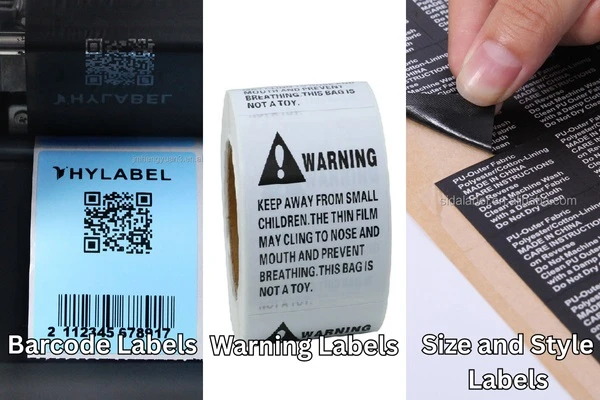
Barcode Labels
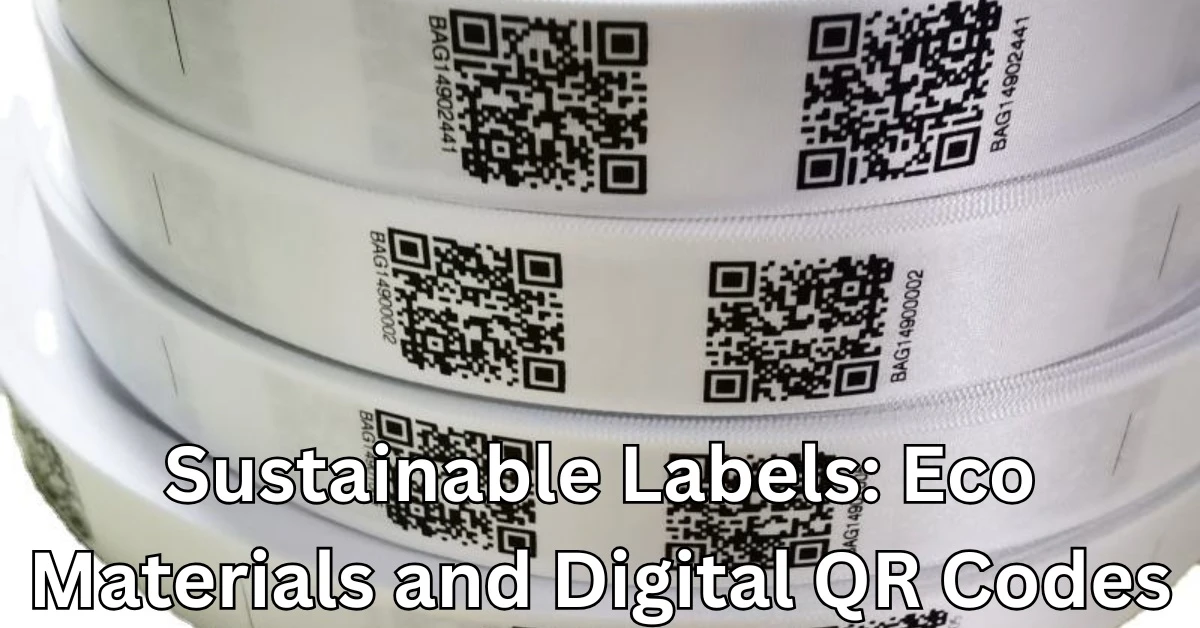
Barcode labels drive inventory systems. Code 128 and EAN-13 dominate apparel. One scan saves 5–7 seconds per unit. Multiply that by 10,000 pieces.
Warning Labels
Suffocation warnings remain mandatory in the US and EU. Font size matters. Placement matters. Missing one risks fines up to USD 100,000.
Size and Style Labels
These labels help warehouses pick fast. Style number errors cause shipment chaos. Ask any merchandiser.
Placement of Polybag Labels
Standard placement rules:
- Bottom right corner
- Clear visibility
- Not over seams or folds
Printing Technologies for Polybag Labels
Polybag labels use:
- Thermal transfer printing
- Direct thermal printing
Key Differences Between Header Cards and Polybag Labels
|
Feature |
Header Cards |
Polybag Labels |
|
Purpose |
Retail display |
Identification & compliance |
|
Material |
Paperboard |
Paper or synthetic |
|
Visibility |
High |
Functional |
|
Cost per unit |
Higher |
Lower |
|
Buyer focus |
Branding |
Accuracy |
Importance of Header Cards and Polybag Labels in Retail and Export
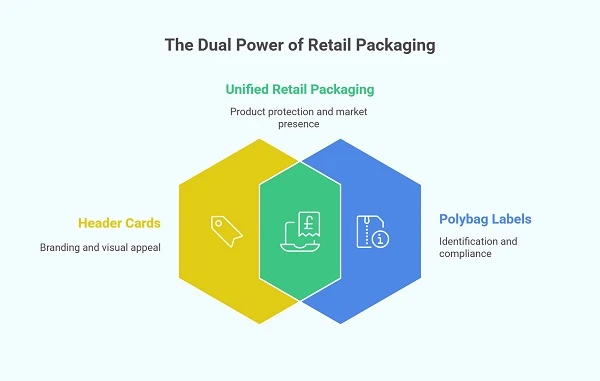
Retail chains reject products with incorrect packaging 30% faster than quality issues. That stat still shocks people. Header cards attract buyers. Polybag labels protect shipments. Both matter equally.
Compliance, Standards, and Buyer Requirements
Major buyers follow:
- ASTM D3475 for warnings
- ISO barcode standards
- Country-specific labeling laws
Sustainability Trends in Apparel Packaging Labels
Eco pressure rises fast. Brands now prefer:
- FSC-certified paper
- Soy-based inks
- Reduced plastic usage
By 2027, 60% of global brands plan to cut virgin plastic packaging.
Common Mistakes Brands Make with Header Cards and Polybag Labels
I’ve seen them all:
- Wrong barcode size
- Low contrast printing
- Missing warning text
- Overdesigned header cards
How to Choose the Right Header Card and Polybag Label
Ask these questions:
- Where will the product sell?
- What does the buyer mandate?
- What climate affects storage?
- What scanner type will scan it?
Final Thoughts from a Garments Technologist
Header cards and polybag labels rarely get praise. They should. They save money, prevent delays, and speak when sales staff stay silent. Ignore them, and problems multiply fast.
Conclusion
Header cards and polybag labels in apparel play silent but critical roles. One sells. One protects. Together, they complete the packaging story. Treat them as technical tools, not decorative extras, and your apparel business runs smoother, faster, and safer.
FAQs
1. Are header cards mandatory in apparel packaging?
No. They depend on retail display needs. Hanging displays usually require them.
2. Are polybag labels legally required?
Yes. Most export markets mandate barcode and warning labels.
3. Which material works best for humid climates?
Synthetic polybag labels perform better than paper.
4. Can header cards replace hang tags?
No. Header cards focus on packaging. Hang tags attach to garments.
5. Do buyers specify label size and content?
Yes. Major brands provide detailed packaging manuals.


Comments - 00
Leave A Reply
Thanks for choosing to leave a comment.