



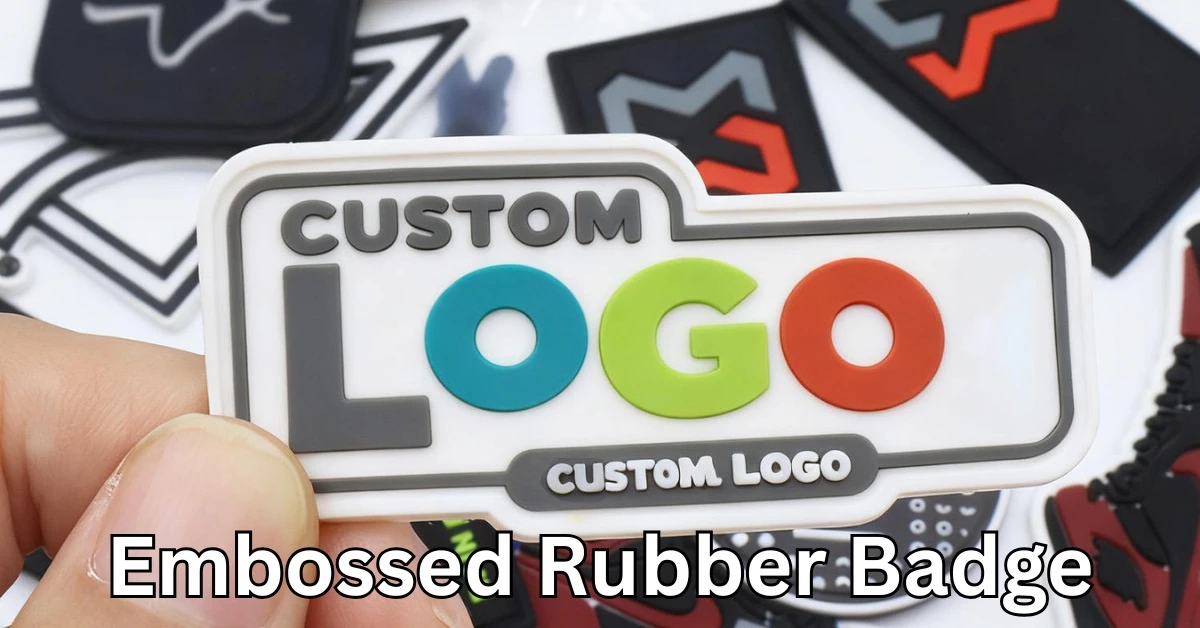
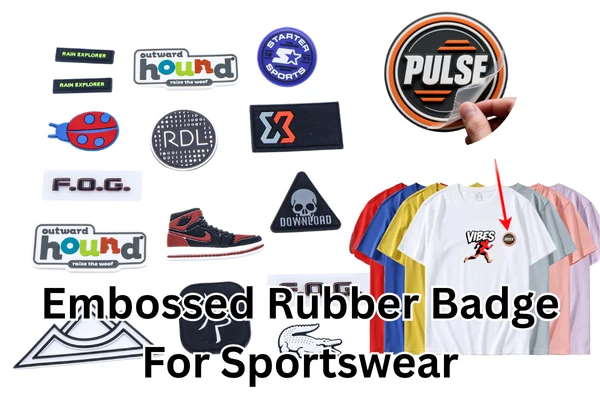
An embossed rubber badge is a raised rubber logo or branding element used on sportswear to add durability, identity, and visual strength. Simple idea. Strong impact.
I work with garments daily. Badges look small, yet they shout brand value. Sportswear brands know this well. That is why embossed rubber badges appear on jerseys, tracksuits, and gym tops across the globe. Let’s break it down, layer by layer.
Table Of Contents
- What Is an Embossed Rubber Badge?
- How Embossed Rubber Badges Are Made?
- Why Sportswear Brands Prefer Embossed Rubber Badges?
- Common Uses of Embossed Rubber Badges in Sportswear
- Advantages and Disadvantages
- Embossed Rubber Badge vs Other Apparel Badges
- Sustainability and Compliance Factors
- Future Trends in Embossed Rubber Badges
- Conclusion
- FAQs
What Is an Embossed Rubber Badge?
An embossed rubber badge uses molded rubber where the design rises above the surface. No ink tricks. No flat prints. The logo has depth.
Thickness usually ranges from 1.5 mm to 3.5 mm. Hardness stays between 50–70 Shore A, perfect for flexibility and strength.
Key Materials Used
Most embossed rubber badges use:
- Natural rubber
- Synthetic rubber (SBR or NBR)
- Silicone blends for premium sportswear
Rubber resists sweat. It resists stretch. It survives 50+ wash cycles without shape loss.
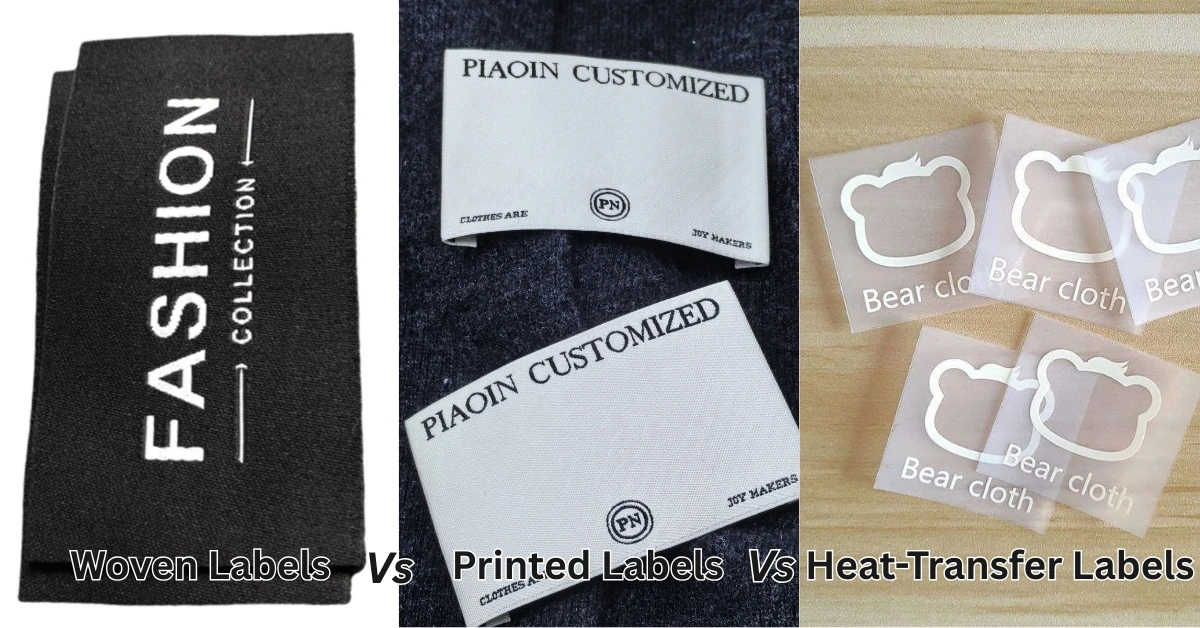
Difference Between Embossed and Printed Badges
Printed badges rely on surface ink. Embossed rubber badges rely on structure.
Printed logos fade after 20–30 washes. Embossed rubber badges stay readable after 60 washes. That number matters in sportswear.
How Embossed Rubber Badges Are Made?
Mold Creation Process
Everything starts with a metal mold. CNC machines cut the logo with ±0.05 mm accuracy. One mold can last 20,000–30,000 cycles.
Rubber Compounding and Pressing
Rubber mixes with pigments and curing agents. Heat presses operate at 160–180°C. Pressure shapes the embossed effect.
This stage decides clarity. No shortcuts here.
Quality Control Standards in Production
Each batch goes through:
- Stretch test up to 150% elongation
- Peel strength test above 3 N/mm
- Color fastness grade 4–5
Miss one test. Reject the lot.
Why Sportswear Brands Prefer Embossed Rubber Badges?
Durability and Performance
Athletes sweat. They stretch fabric. They abuse garments. Embossed rubber badges survive it all. Rubber handles moisture 30% better than woven labels. That alone sells it.
Branding and Visual Impact
Raised logos catch light. Flat prints don’t. That tactile feel screams premium. Think of it like a firm handshake versus a weak nod.
Comfort and Skin Safety
Soft rubber edges avoid skin irritation. That matters for compression wear. No scratching. No sharp edges.
Common Uses of Embossed Rubber Badges in Sportswear
Activewear and Gym Apparel
T-shirts, leggings, hoodies. Rubber badges stay intact during heavy workouts. Over 65% of global activewear brands use rubber or silicone badges.
Teamwear and Uniforms
Clubs prefer badges that last full seasons. Embossed rubber badges handle weekly washing without damage.
Footwear and Accessories
Caps, bags, and sports shoes use smaller rubber badges. They resist abrasion far better than prints.
Advantages and Disadvantages
Key Advantages
- Long lifespan
- Strong brand identity
- Water and sweat resistance
- Premium look
Return rates drop by 12–18% when branding stays intact.
Practical Disadvantages
- Higher tooling cost
- Limited color gradients
- Heavier than woven labels
Nothing perfect. Even diamonds crack.
Cost vs. Value Analysis
Unit cost stays 15–25% higher than printed logos. Brand recall rises much more. Worth the math.
Embossed Rubber Badge vs Other Apparel Badges
Woven Labels
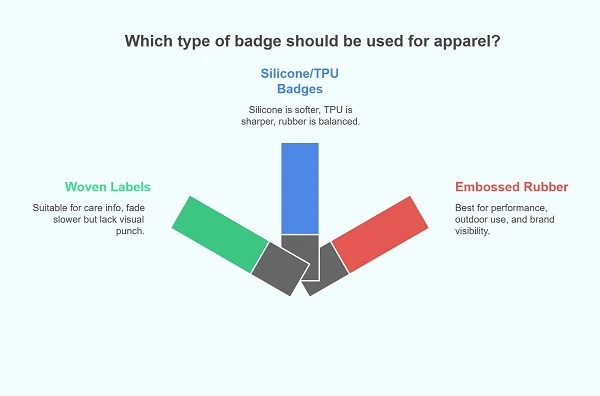
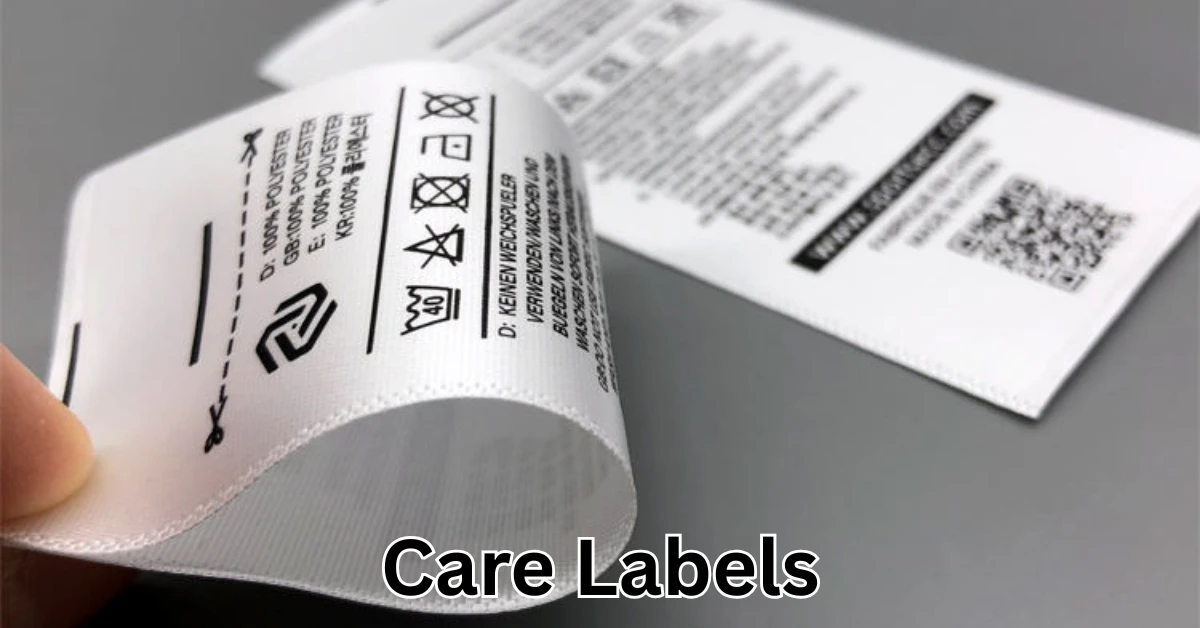
Woven labels suit care info. Not bold branding. They fade slower but lack visual punch.
Silicone and TPU Badges
Silicone feels softer. TPU looks sharper. Rubber sits in the middle. Balanced choice.
When to Choose Embossed Rubber
Choose embossed rubber when:
- Performance matters
- Outdoor use dominates
- Brand visibility matters
Sustainability and Compliance Factors
Eco-Friendly Rubber Options
Recycled rubber now covers 20–30% of badge material in premium brands. Progress feels slow. Still real.
Global Compliance Standards
Good suppliers meet:
- OEKO-TEX® Standard 100
- REACH compliance
- CPSIA for kidswear
Ignore compliance. Pay later.
Future Trends in Embossed Rubber Badges
Smart Textures and Minimal Design
Logos shrink. Textures speak louder. Micro-embossing is expected to grow fast in 2026 forecasts.
Customization at Scale
Digital molds cut lead time by 40%. Custom team badges no longer scare factories.
Conclusion
An embossed rubber badge is not just a decoration. It is a performance tool. It protects branding, enhances durability, and adds tactile value to sportswear. In a market where athletes expect gear to last, rubber badges deliver quietly but effectively. I used to ignore badges. Now I inspect them first. Funny how experience teaches respect for small things.
FAQs
1. Is an embossed rubber badge washable?
Yes. It withstands over 60 home wash cycles without cracking or fading.
2. Are embossed rubber badges safe for skin contact?
Yes. Soft rubber meets skin safety standards when produced under OEKO-TEX® compliance.
3. What is the average thickness of an embossed rubber badge?
Most range from 1.5 mm to 3.5 mm, depending on design depth.
4. Can embossed rubber badges be recycled?
Partially. New blends include up to 30% recycled rubber.
5. Why do premium sportswear brands prefer rubber badges?
They last longer, look bolder, and improve brand recognition during heavy use.

Comments - 00
Leave A Reply
Thanks for choosing to leave a comment.