



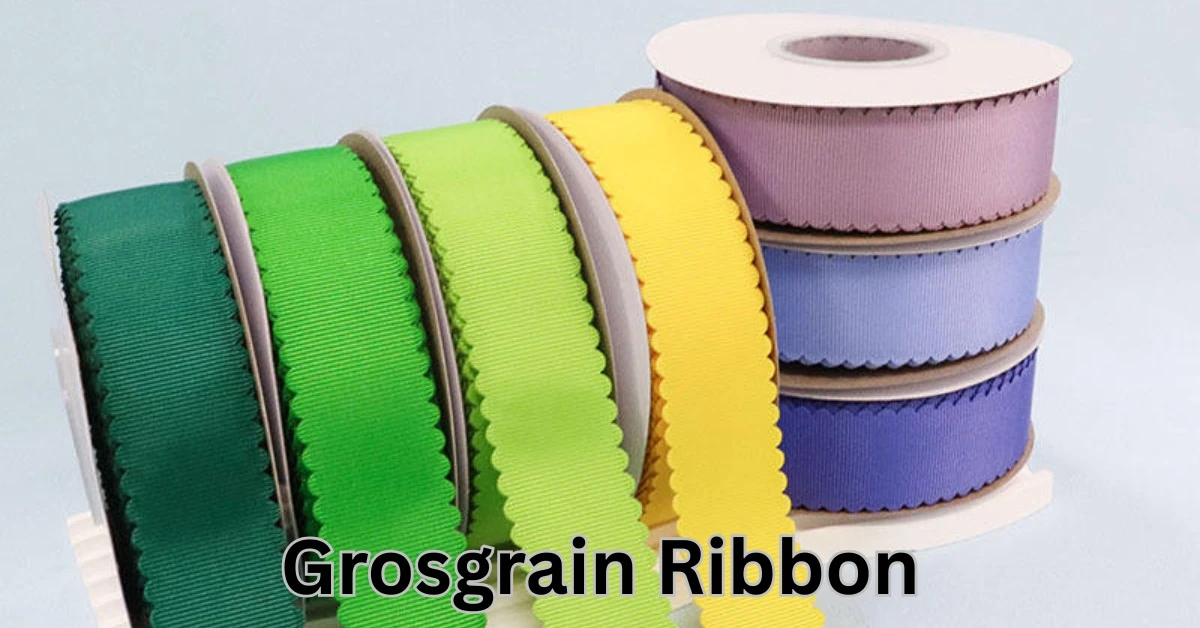
Grosgrain ribbon sits in a quiet corner of the textile world, yet it appears everywhere once you know how to spot it. It looks simple at first glance, but its ribbed texture, structured feel, and long-lasting strength give it an advantage that many other ribbons do not offer. If you have ever handled gift packaging from a premium brand, military uniform trims, or the bow on a high-quality hair accessory, you have likely touched grosgrain.
This guide explores what grosgrain ribbon is, its technical features, manufacturing details, and the many ways it finds its purpose in fashion, accessories, crafts, and industrial applications.
Table Of Contents
What is Grosgrain Ribbon?
Grosgrain ribbon refers to a firm, tightly woven ribbon with distinctive horizontal ribs across its surface. These ribs form due to the use of heavier weft yarns and finer warp yarns, woven in a plain or twill structure. The rib structure gives the ribbon a slightly matte appearance and a crisp, sturdy hand feel.
Quick Characteristics at a Glance:
|
Property |
Description |
|
Texture |
Rigid, ribbed surface |
|
Common Materials |
Polyester, nylon, silk, cotton |
|
Appearance |
Matte finish with crosswise ridges |
|
Durability |
High tensile strength and excellent shape retention |
On average, grosgrain ribbon weighs between 80–150 GSM, depending on width and material. It also has roughly 15–25% lower stretch than satin ribbon, which makes it ideal for structured applications.
How Grosgrain Ribbon Is Made?
Grosgrain ribbon is produced on narrow weaving looms that maintain constant tension for smooth rib formation. The key lies in the difference between warp and weft yarn thickness:
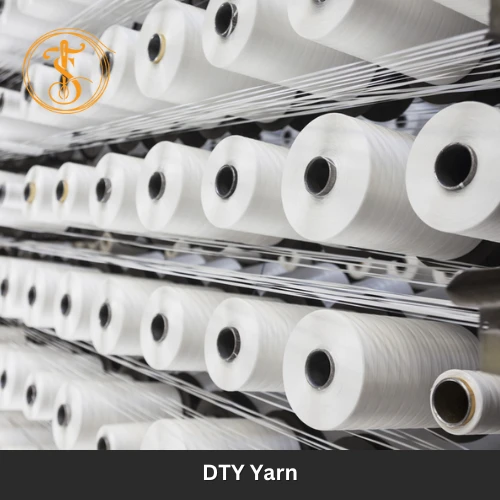

- Warp yarns: fine and tightly arranged
- Weft yarns: thicker yarns packed closely
The ribs appear because the thicker yarn pushes upward in each pick of the weave. In synthetic versions like polyester, heat-setting stabilizes the ribbon to prevent curling and fraying.
Some grosgrain ribbons include woven selvedge edges, while others use heat-sealed edges to prevent fraying during high-volume production.
Key Features of Grosgrain Ribbon
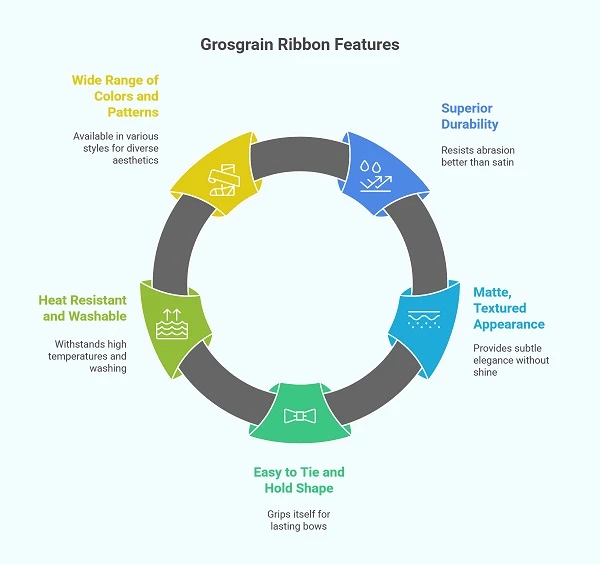
1. Superior Durability
Grosgrain ribbon holds shape under stress. It resists abrasion better than satin ribbons by approximately 20–30%, based on standardized textile wear tests.
2. Matte, Textured Appearance
The ribbed texture gives grosgrain a subtle elegance. It does not reflect light as much as satin, making it suitable for formal, vintage, and minimal aesthetics.
3. Easy to Tie and Hold Shape
Unlike satin, which slips, grosgrain grips itself. Bows tied from grosgrain keep their structure longer, even when handled repeatedly.
4. Heat Resistant and Washable
Polyester grosgrain ribbon withstands washing temperatures up to 60°C, while nylon grosgrain performs well in outdoor conditions.
5. Wide Range of Colors and Patterns
Available in solid shades, stripes, dots, and printed forms, grosgrain blends with both modern and classic styling.
Common Uses of Grosgrain Ribbon
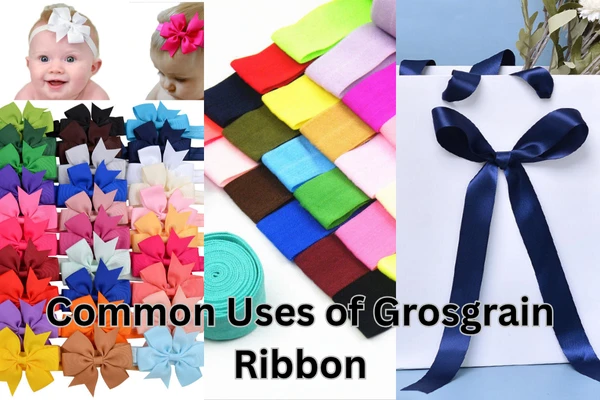
1. Hair Accessories
Hair bows, headbands, and clips often use grosgrain because it forms neat loops and stands firm. Many children’s boutique bow brands rely heavily on grosgrain ribbon.
2. Fashion Trims
Grosgrain finds use in:
- Dress waistbands
- Lining reinforcement strips
- Jacket edging
- Cuff borders
It keeps the garment edges crisp and structured.
3. Packaging and Gift Wrapping
Luxury brands often use grosgrain ribbon for gift packaging. It gives a high-value feel without looking overly shiny.
4. Crafting and Scrapbooking
Hobbyists love grosgrain because it glues well, sews easily, and resists wrinkle formation.
5. Military and Formal Dress Uniforms
Decorative stripes on epaulets, medal bars, and ceremonial sashes often use grosgrain due to its strong structure and professional appearance.
Grosgrain vs Satin Ribbon (Quick Comparison)
|
Feature |
Grosgrain Ribbon |
Satin Ribbon |
|
Surface |
Ribbed matte |
Smooth glossy |
|
Durability |
High |
Moderate |
|
Slip Resistance |
Strong grip |
Slippery |
|
Best Use |
Structure-focused trims |
Decorative accents |
Conclusion
Grosgrain ribbon proves that practical materials can also be beautiful. Its ribbed texture, durability, and crisp hand feel make it a favorite in fashion trims, accessories, crafts, and luxury packaging. Once you understand its characteristics, you’ll start recognizing it in countless places, from tiny hair bows to elegant gift boxes. It may not shout for attention like shiny satin, but it quietly elevates everything it touches.
FAQs
1: Is grosgrain ribbon stretchable?
No. Grosgrain ribbon has very low stretch, which helps it hold shape.
2: Can grosgrain ribbon go in the washing machine?
Yes. Polyester grosgrain can usually be machine-washed safely, but silk grosgrain should be hand-washed.
3: What widths does grosgrain ribbon come in?
Common widths include 3mm to 75mm. Wider ribbons suit sashes and packaging.
4: What makes grosgrain better for bows than satin?
Its textured surface grips and prevents slippage, so bows stay firm.
5: Is grosgrain ribbon suitable for outdoor use?
Nylon and polyester grosgrain perform well outdoors due to moisture resistance and colorfast dyeing.


.webp)
.webp)
Comments - 00
Leave A Reply
Thanks for choosing to leave a comment.