



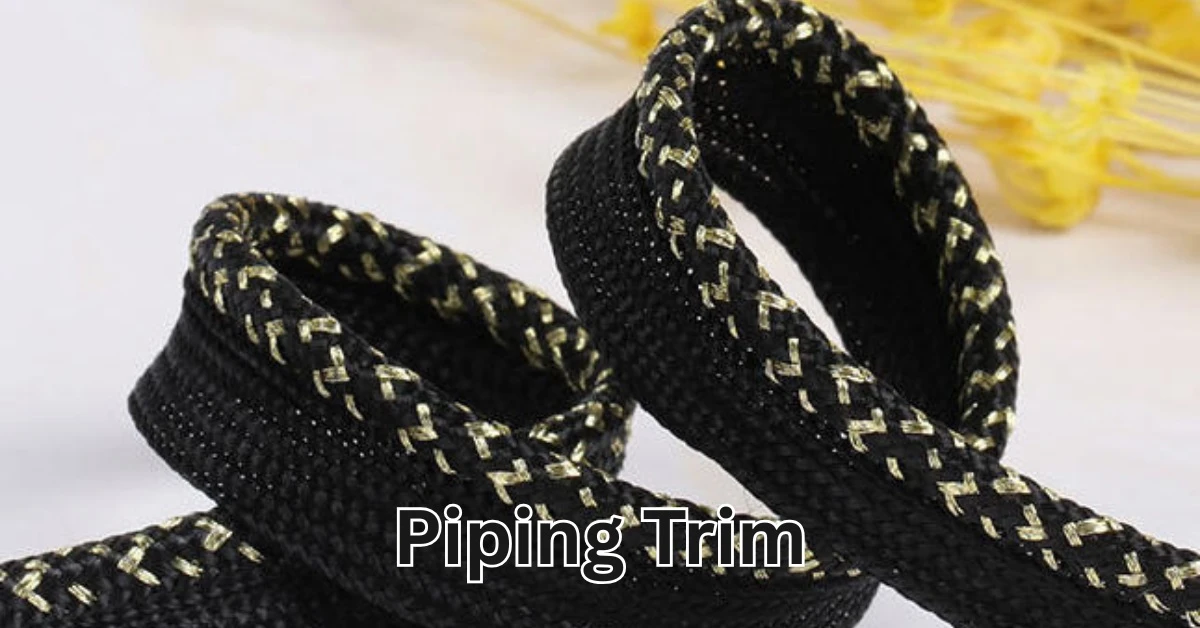
Ever noticed that smooth, raised edge running along a cushion, collar, or bag seam? That’s piping trim — a small but mighty detail that transforms plain stitching into professional craftsmanship. It’s like the punctuation mark of fashion; subtle yet essential. In textile manufacturing, nearly 70% of upholstery items and 45% of tailored garments use piping trims for structure and style. Surprising, right?
The Role of Piping Trim in Garments and Home Textiles
Piping trim isn’t just decorative. It acts as a reinforcement to prevent seam distortion. In furniture, it defines edges, while in apparel, it adds a crisp outline that visually elevates the design. Think of it as a neat border that says, “I’m finished and flawless.”
Quick Facts and Statistics About Piping Usage
- Around 60% of global piping trim production goes to the upholstery industry.
- Cotton and polyester are the most common materials, covering about 85% of market usage.
- A well-made piping seam can increase garment durability by up to 25%.
Table Of Contents
What Is Piping Trim?
Piping trim is a narrow strip of fabric folded over a cord (called filler) and inserted into seams or edges of garments, accessories, or upholstery. Its main goal? To highlight design lines while providing extra strength to the seam.
Common Materials Used in Piping Trim
Fabric Options:
Most piping is made from cotton, silk, polyester, or faux leather. The choice depends on the fabric of the main product. For soft garments, lightweight cotton works well. For upholstery, tough polyester or vinyl is preferred.
Core Materials (Cord Types):
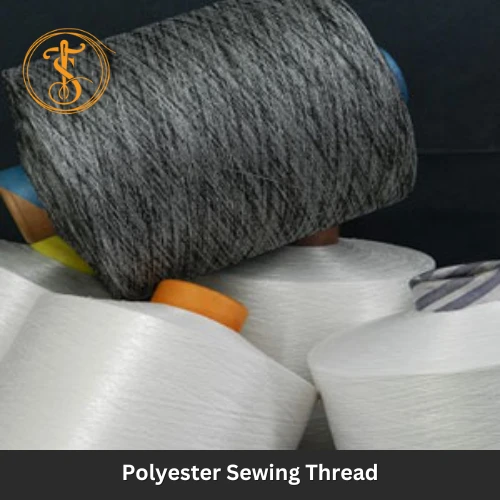
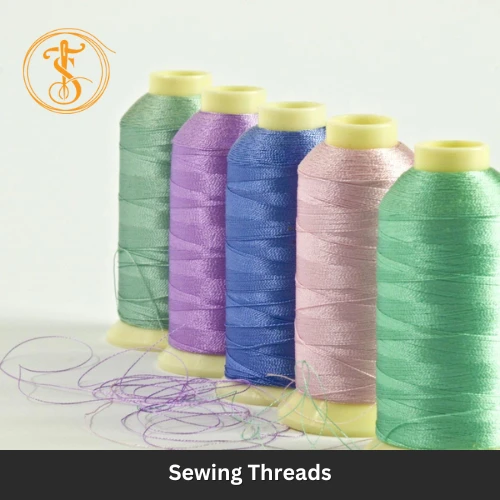
The filler cord — usually cotton, nylon, or polyester — determines the roundness and stiffness. A 3–5 mm cord diameter is standard in fashion applications, while 8–10 mm cords are common in cushions and sofas.
Types of Piping Trim
Plain Piping
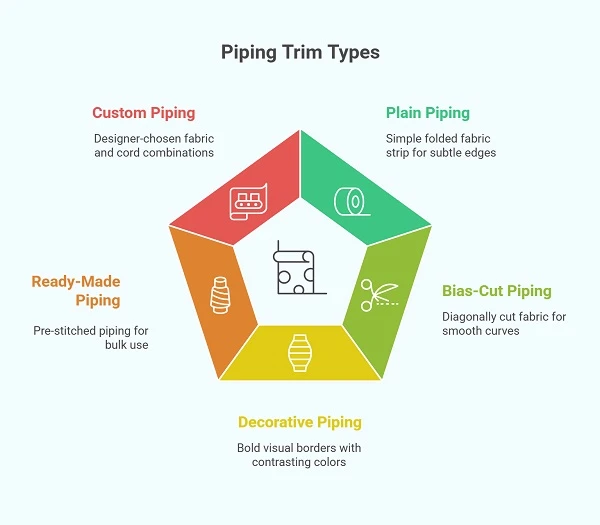
A simple folded fabric strip sewn into the seam. Ideal for subtle garment edges.
Bias-Cut Piping
Cut diagonally on the fabric grain, allowing it to curve smoothly around corners. This type is a must for collars, cuffs, and circular cushions.
Decorative or Contrasting Piping
Used to create bold visual borders by using contrasting colors or textured fabrics. Fashion designers often prefer contrasting piping on jackets or trousers to highlight edges.
Ready-Made vs. Custom Piping
Ready-made piping comes pre-stitched and is perfect for bulk use. Custom piping allows designers to choose specific fabric and cord combinations to match their creative vision.
Construction of Piping Trim
Components and Structure
- Fabric Strip: Bias-cut strip of matching or contrasting fabric.
- Cord (Filler): The round material placed inside the strip.
- Stitch Line: The line that holds the fabric and cord together.
How Piping Is Manufactured
The process involves folding the fabric strip over the cord and stitching close to the cord using a zipper foot or piping foot. In industrial production, automated piping machines produce up to 500 meters per hour with precise tension and consistent width.
Sewing Methods for Piping Trim
Attaching Piping to Seams
The secret to perfect piping lies in alignment. The raw edge of the piping aligns with the garment seam edge. Then, both layers are stitched together, keeping the needle close to the cord.
Step-by-Step Piping Stitching Process
- Cut a bias strip (usually 3–4 cm wide).
- Place the cord in the center and fold the fabric over it.
- Sew close to the cord using a zipper or piping foot.
- Pin the piping along the seam edge.
- Sew the main seam, keeping the piping between the two fabric layers.
Machine Settings and Tools
- Needle Size: 11–14 (depends on fabric thickness)
- Stitch Length: 2.5–3.0 mm
- Presser Foot: Piping or zipper foot
- Tension: Slightly tight for firm edges
Common Sewing Mistakes and How to Fix Them
- Misaligned seams: Always baste before final stitching.
- Uneven thickness: Trim seam allowances evenly.
- Visible stitches: Use matching thread color and stitch close to the cord.
Applications of Piping Trim
In Apparel
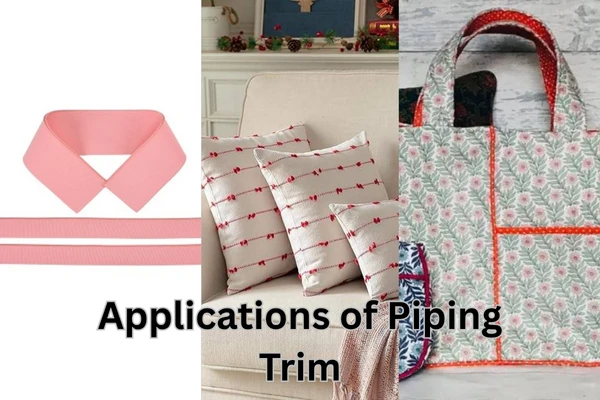
Used in necklines, collars, cuffs, yokes, and pocket edges. It’s especially common in uniforms, jackets, and formal wear.
In Upholstery and Home Décor
Piping trims make cushions, sofas, and draperies look neat and professional. They also help edges withstand frequent use and washing.
In Accessories and Footwear
Bags, wallets, and shoes often use leather or vinyl piping to create durable and stylish edges.
Advantages of Using Piping Trim
Aesthetic Enhancement
Piping adds definition and a tailored appearance that elevates even simple designs.
Structural Support and Durability
It reinforces seams, preventing fraying and deformation after multiple washes.
Design Customization
From metallic leather to pastel cotton, piping allows endless color and texture combinations for personalization.
Conclusion
In textiles, perfection often hides in the smallest details. Piping trim may look minor, but it holds the power to transform an ordinary seam into a statement of craftsmanship. Whether on a sofa edge or a dress collar, this little corded accent blends durability, beauty, and skill — the ultimate trio in textile design.
FAQs
1. What is the main purpose of piping trim in garments?
It defines seams, strengthens edges, and enhances the visual appeal of clothing and upholstery.
2. Can I make piping trim at home?
Yes! With a bias strip, a cord, and a zipper foot, you can create custom piping easily.
3. What type of fabric works best for piping?
Lightweight cotton or polyester blends work best for clothing, while vinyl or faux leather suits upholstery.
4. How do I sew piping around curves?
Use bias-cut fabric so the piping can flex and curve without wrinkles.
5. Is piping trim washable?
Yes, most piping trims are washable, but always check fabric care instructions. Synthetic cords handle washing better than natural ones.



Comments - 00
Leave A Reply
Thanks for choosing to leave a comment.