



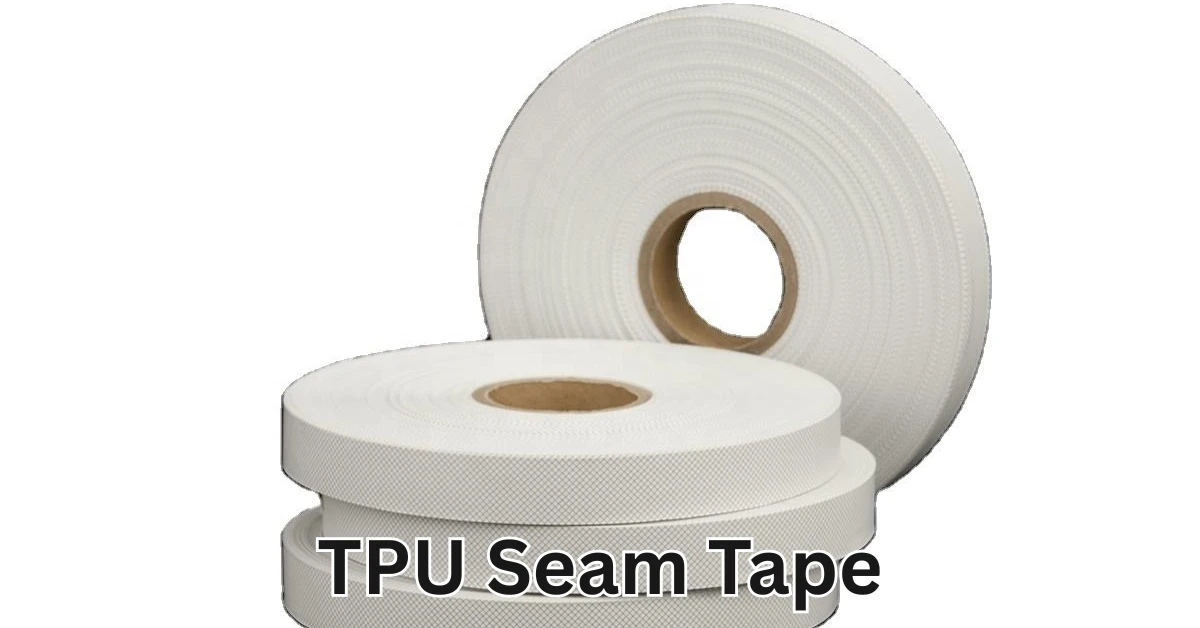
TPU seam tape, short for thermoplastic polyurethane seam tape, is the invisible hero in rain jackets, tents, dry bags, and technical outdoor gear. You do not see it from the outside, but you feel it when water beads rather than soaks through the stitch line. Manufacturers use this tape to turn stitched seams (which are tiny holes) into continuous waterproof barriers.
Table Of Contents
What Is TPU Seam Tape?
TPU seam tape is a thin strip of thermoplastic polyurethane that seals the needle holes created by stitching. Every time a needle punches fabric, it leaves a tiny path for water to creep through. TPU seam tape blocks that path. The tape softens under controlled heat, sits under steady pressure, and bonds tightly to the fabric surface.
Once it cools, the bond becomes a continuous waterproof layer over the seam. Most outdoor brands rely on TPU seam tape in jackets, ski pants, tents, backpacks, and pretty much any product that promises no water leaks. The tape stays light, flexible, and almost invisible, which makes it a favorite for performance apparel designers who want protection without bulky construction.
Typical Materials And Variations
Most TPU seam tapes come as:
- Pure TPU film (transparent or opaque).
- TPU film with a hot-melt adhesive layer on one side.
- TPU with printed patterns or micro-perforations for breathability balance (rare).
Variations include width (6–30 mm common), thickness (approx. 0.08–0.35 mm), and adhesive chemistry tuned for polyester, nylon, or urethane laminates.
How Does TPU Seam Tape Bond?
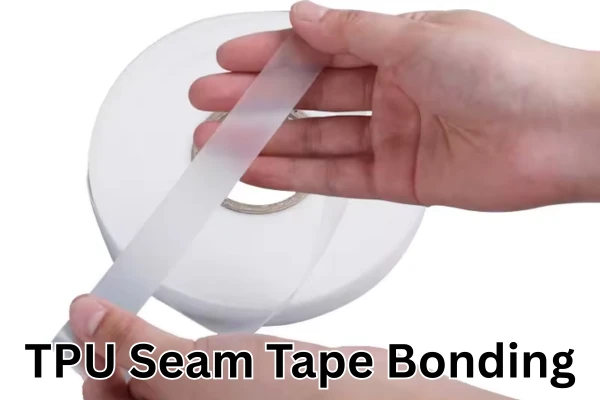
Bonding is simple in concept but sensitive in execution. You need three things:
- Heat to soften the TPU and activate adhesives.
- Pressure to squeeze tape into the textile surface and remove air.
- Time for the polymer to flow and set.
When the right heat and pressure meet the tape and fabric, the TPU film forms a continuous interface. That fills stitch holes and creates a bond that resists water under pressure.
Heat, Pressure, And Adhesives
1. Heat: Typical factory ranges sit between 120°C and 160°C (250–320°F), depending on adhesive type and base fabric.
2. Pressure: Press rollers or heads apply uniform pressure (numbers vary by machine, but even 1–5 bar of nip pressure matters).
3. Time: Seconds, not minutes. Common dwell times range from 1 to 6 seconds for a continuous taping line. Too fast and the bond weakens; too slow and the fabric or coating can deform.
Process Parameters (Temperature, Time, Pressure)
Think of these as starting points:
- Temperature: ~120–160°C
- Pressure: moderate, consistent roller pressure
- Speed (dwell): 1–6 seconds equivalent
Small shifts can change peel strength by 10–40%. So calibration matters.
Why Designers And Tech Teams Choose TPU Seam Tape?
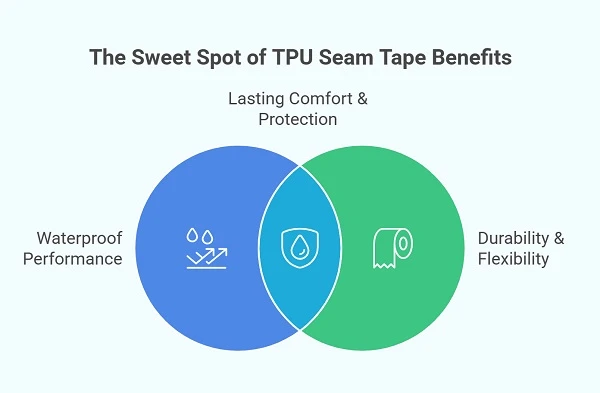
Waterproof Performance: Hydrostatic Head And Taped Seams
Seams remain the weakest place in a garment. A 10,000 mm hydrostatic head rating on a laminate means little if stitched seams leak. Properly applied TPU seam tape can preserve the laminate’s rating. In practice, taped seams help garments meet or exceed 5,000–20,000 mm waterproof ratings, depending on the fabric system.
Durability, Flexibility, And A Low-profile Finish
TPU keeps stretching. Tape moves with fabric. This avoids peeling in flex zones and keeps the garment comfortable. TPU also maintains a cleaner look than bulky rubberized tapes.
Performance
Numbers are useful. Here are typical ranges you can plan around (approximate):
- Tape thickness: 0.08–0.35 mm.
- Tape width: 6–30 mm (10–15 mm common for jackets).
- Peel/bond strength: Many manufacturers aim for 10–40 N / 25 mm as a workable range for seam tapes (depends on fabric and adhesive).
- Hydrostatic support: With good tape, seams should not be the limiting factor up to 10,000–20,000 mm hydrostatic head on modern laminates.l
- Wash durability: high-quality TPU seam tape can survive 20–50 domestic wash cycles without catastrophic failure, if applied correctly and if care labels are followed.
I know numbers vary wildly. Why? Different laminates, adhesive chemistries, and production controls.
Application Methods And Quality Control
Hand-applied Vs Automated Taping Machines
- Hand taping: cheaper setups. Suitable for prototypes and small runs. Higher variance.
- Automatic taping machines: consistent heat, pressure, and speed. Best for volume and repeatable results.
How to Choose The Right TPU Seam Tape?
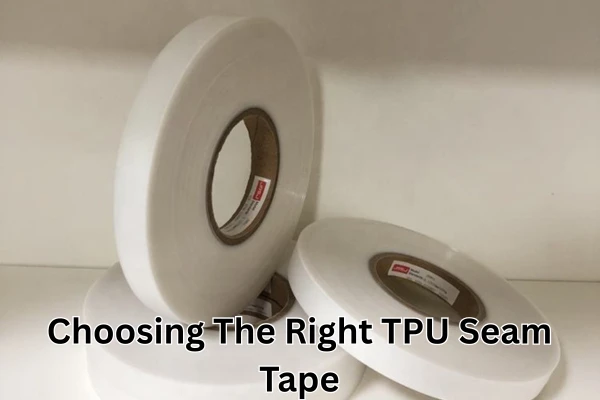
Match tape to laminate. If your outer fabric is nylon with a PU coating, pick a tape adhesive built for PU. For polyester laminates, pick a tape tested for polyester.
Consider:
- Breathability targets. If you need high MVTR, ensure the laminate + tape system meets the target. Tape itself is not breathable; the seam strategy must account for overall breathability.
- Flex zones. Use wider or stretch-capable tape on elbows and knees.
- Aesthetics. Clear tape for an invisible look; matte for low-sheen.
Sustainable options and recyclability notes
Some TPUs come from lower-impact feedstocks or are formulated for easier recycling. Still, mixed-material garments complicate recycling. Design with end-of-life in mind if you can.
Inspection & Testing Before Shipping
- Peel test: pass threshold per spec.
- Visual: no bubbles, wrinkles, or scorches.
- Shower test: no seep at seams.
- Wash test: follow the labeled cycle; check tape adhesion.
If any fail, tweak heat/pressure/speed or try a different tape formula.
Conclusion
TPU seam tape solves a simple but stubborn problem: stitched seams leak. It does so by bonding under heat and pressure to form a continuous barrier. The tech sounds boring. In practice, it decides whether an $180 rain jacket keeps you dry or turns into a damp disappointment. Small process changes shift performance a lot. So test early. Test often. And when in doubt, pick a tape that your laminate chemistry likes.
FAQs
1: Is TPU seam tape the same as silicone or PVC tape?
No. TPU is a thermoplastic polymer that bonds by heat and adhesive. Silicone and PVC tapes have different chemistries and performance. TPU offers better flexibility and fewer cracking issues in cold weather.
2: Can I seam-tape at home with an iron?
You can prototype with an iron, but control of temperature, pressure, and speed is poor. Expect variable results. Factory taping uses calibrated rollers for consistency.
3: How long does TPU seam tape last on a jacket?
With good application and normal care, expect 20–50 wash cycles before potential degradation. Heavy use or harsh detergents shorten that life.
4: Will seam tape affect breathability?
The tape itself blocks vapor at the seam line. Overall garment breathability depends on your laminate and design. Properly designed garments balance laminated fabric MVTR and taped seams.
5: Can taped seams be repaired in the field?
Yes. There are repair tapes and kits made from similar TPU films. Field repairs often restore function for short-term use.


Comments - 00
Leave A Reply
Thanks for choosing to leave a comment.