



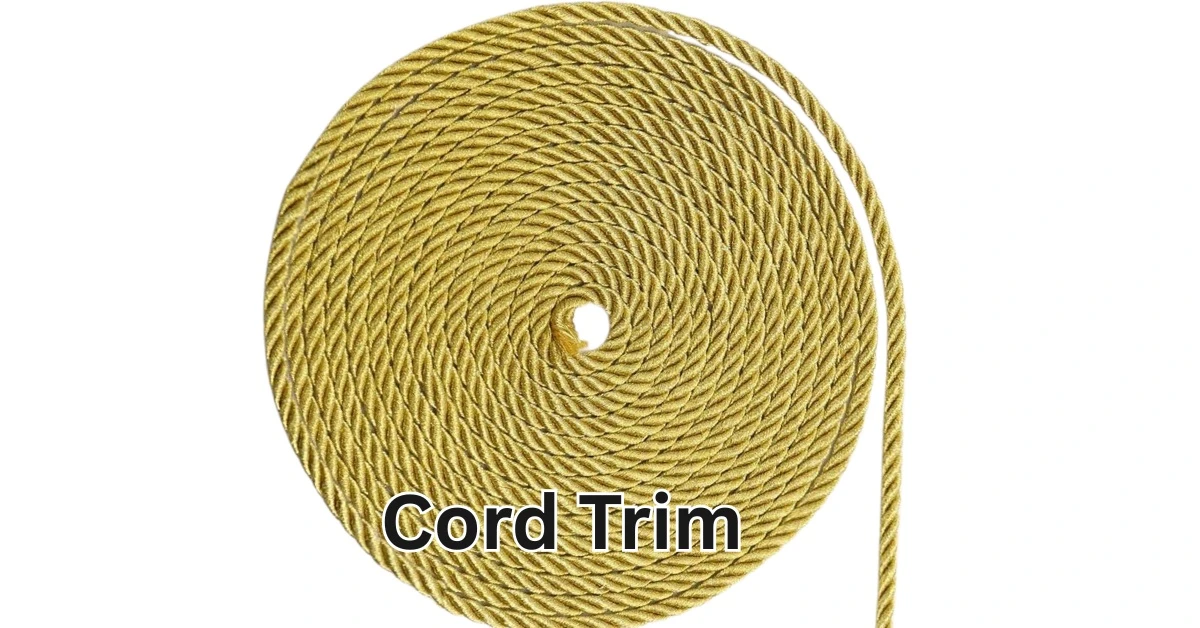
Cord trim is a narrow, rope-like decorative element. Tailors, designers, and technologists use it to define edges, add texture, and give garments structure. It can reinforce seams. It can elevate a plain silhouette into something memorable.
Table Of Contents
- Core types of cord trim
- Materials And Construction Details
- Typical Sizes, Shapes, And Measurements
- How Cord Trim Attaches To Garments?
- Applications In Apparel: Practical Examples
- Match Trim to Garment Function
- Care, durability, and quality checks
- Cost and sourcing basics
- Quick design ideas and trends
- Conclusion
- FAQ
Core types of cord trim
Plain (single) cord
A single cord has one core yarn or strand. Craftspeople use it for casual drawcords and decorative seams. Diameters often range from 1 mm to 6 mm. It gives a clean, minimal look.
Piped cord (welt piping)
Piping hides a cord inside a folded fabric tape. Piped seams add definition to collars, pockets, and hems. Piping typically sits 3–8 mm above the seam line. It gives a tailored look and helps the edge resist wear.
Braided and twisted cord
A braided cord has interlaced yarns. A twisted cord has several yarns twisted together. Both give visual depth. Braided cords handle abrasion better. Twisted cords show a spiral texture. Use them as visible decorative lines or functional drawcords.
Soutache and gimp cord
Soutache is a flat, narrow braid. Gimp cord can be shaped with wire or heavy yarn for sculpted trims. These styles work well on lapels, bodices, and historic-inspired details. They create ornamental loops and motifs.
Bullion and tassel cords
Bullion cord looks like a coil. Tassel cord ends with decorative fringes. Use bullion on cuffs and ceremonial jackets. Tassels suit drawstrings, shawls, and closures.
Materials And Construction Details
Natural fibers
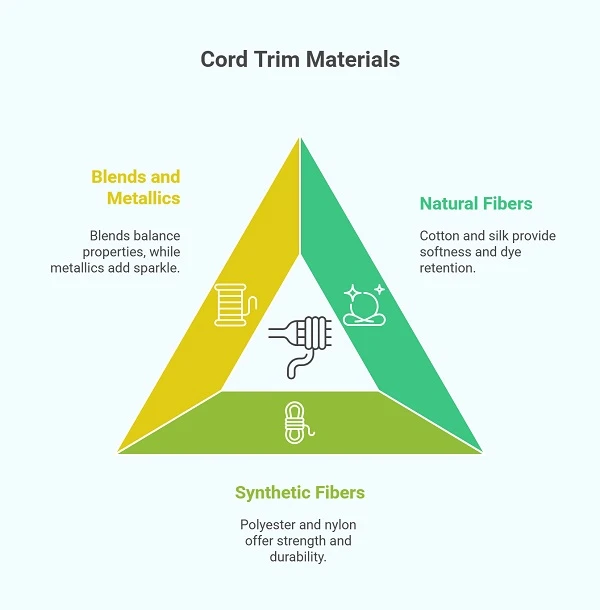
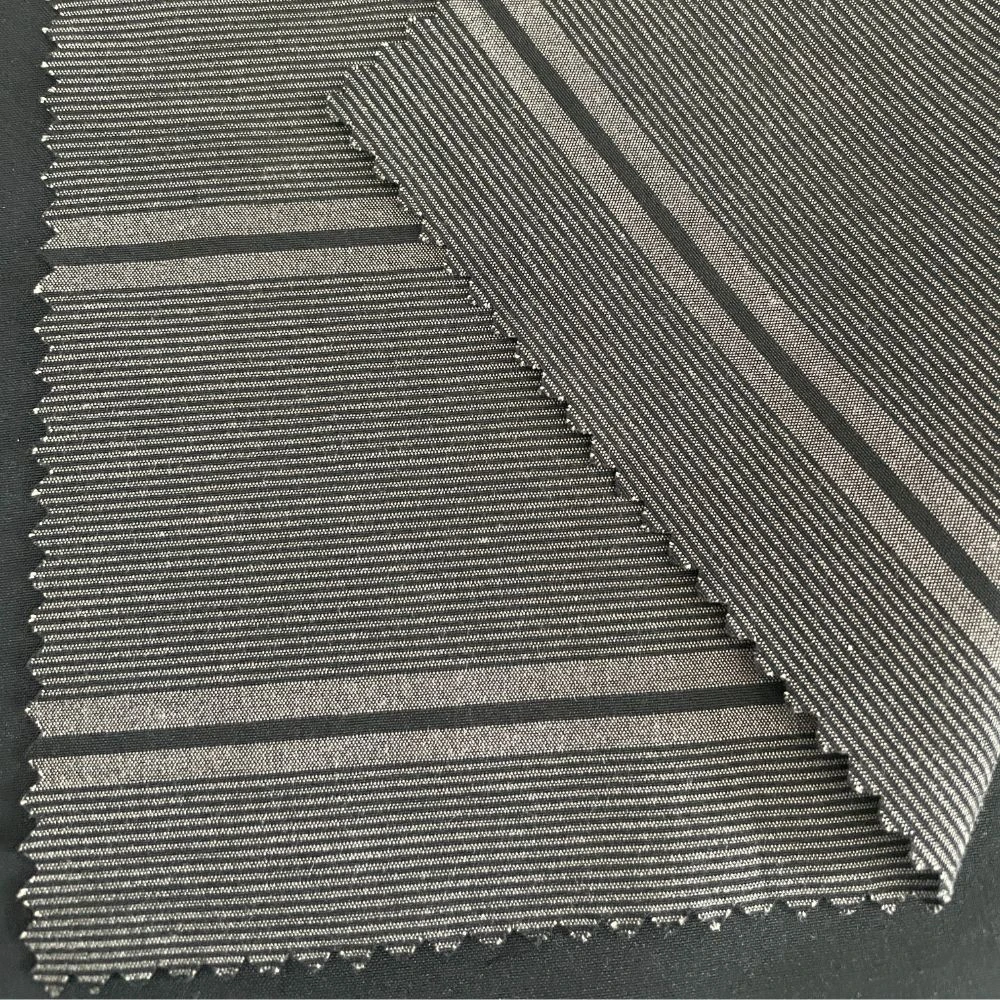
Cotton and silk offer a soft hand and matte finish. Cotton holds dye well, particularly for muted palettes. Silk gives a sheen for formal wear.
Synthetic fibers
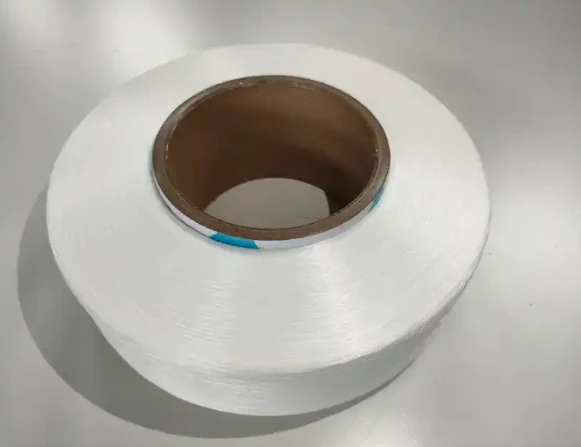
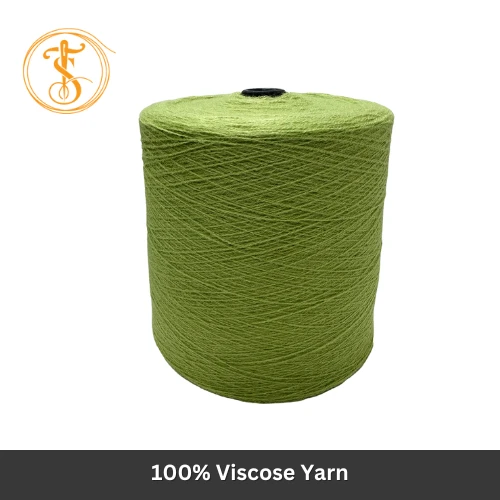
Polyester and nylon give strength and low cost. They resist stretch and handle frequent wash cycles. They suit sportswear and outerwear.
Blends and metallic threads
Blends balance hand, strength, and cost. Metallic threads give sparkle. Use metallics sparingly. They fray under heavy abrasion.
Typical Sizes, Shapes, And Measurements
Cords come in round, oval, or flat cross-sections. Common diameters: 1 mm, 2 mm, 4 mm, 6 mm, 8 mm, 10 mm. Piping tape widths often range from 5 mm to 20 mm to cover the cord and seam allowance. Keep proportions in mind: a thick cord on a fine blouse looks clumsy. The thin cord on the heavy coat looks lost.
How Cord Trim Attaches To Garments?
Piping insertion
Piping sits inside a seam. Steps: sandwich piping between two fabric layers, stitch close to the cord, and press. Piping hides raw edges and adds a durable line.
Surface application and topstitch
Surface cord adheres with topstitch lines or zigzag. Use fusible tape for a temporary hold. For stronger attachment, hand-sew with small invisible stitches.
Applications In Apparel: Practical Examples
Casual and sportswear
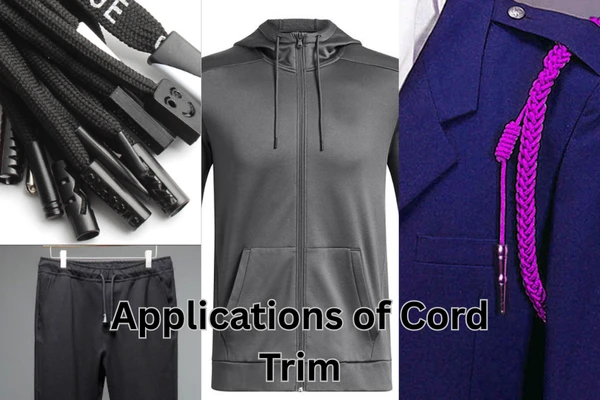
Cord trim appears on hood drawcords, trainers’ collars, and side seams. Synthetic cords resist sweat and washing. Use reflective yarns for safety in activewear. Designers often place 2–3 mm cords at seam lines for sporty detail.
Outerwear and coats
Piping around pockets and along raglan seams gives rugged definition. Thick braided cords provide decorative reinforcement on hoods and cuffs. Military-inspired coats often carry 4–8 mm cords for visual authority.
Tailoring and formalwear
Soutache and silk cords appear on smoking jackets and tuxedo lapels. Piping on waistlines gives clean silhouettes. Use small cords (1–3 mm) for discreet elegance.
Children’s wear and uniforms
Bright, durable cords add play and identification. Flat cords reduce bulk at seams. Use washable polyester blends for repeated laundering.
Accessories and functional uses
Cord becomes straps, drawstrings, and decorative toggles. On belts, cord can act as both an ornament and a fastener. On hats and bags, cord gives structure.
Match Trim to Garment Function
- Function first. If the garment must be washed weekly, choose a synthetic cord.
- Scale matters. Small garments need thin cords. Large outerwear benefits from thicker cords.
- Color fastness. Test color rub and wash. Cotton may bleed. Polyester holds color.
- Abrasion resistance. For high-wear zones, choose braided or nylon cores.
- Hand-feel. For next-to-skin use, soft cotton or silk.
Care, durability, and quality checks
Check these before buying:
- Tensile test: give a firm pull. The cord should not unravel.
- Seam test: stitch a sample into the fabric. The cord should not pop out.
- Wash test: launder a sample at the expected temperature. Look for fray, shrink, and color loss.
- Look for an even twist or braid. Irregularities mean weak spots.
Cost and sourcing basics
Cord price depends on material, construction, and finish. Rough tiers:
- Economy: polyester twist — low cost.
- Mid: cotton-wrapped or braided blends — moderate cost.
- Premium: silk or metallic-blend soutache — high cost.
Buy by the spool or by the meter. Typical bulk orders start at 50 m. Small designers order 5–20 m samples first.
Quick design ideas and trends
- Use contrast piping on a pocket for instant focus.
- Double-line cords give a sporty feel; use two thin cords 6–10 mm apart.
- Match cord material to hardware. Matte cord with matte metal. Shiny cord with polished metal.
- Try reversed piping (cord inside, tape outside) for subtle lines.
Conclusion
Cord trim gives garments a clear line and a voice. It can be purely decorative. It can add strength and purpose. Choose the right type, material, and size. Test for wash, abrasion, and color. A small change in trim can lift an entire collection. And yes, that tiny cord might just make buyers stop and smile.
FAQ
1: What is the difference between piping and cord trim?
Piping hides a cord inside folded fabric. Cord trim is the exposed rope-like element. Piping always involves a fabric tape; cord trim may sit on the surface.
2: Which cord material works best for frequent washing?
Polyester and nylon blends resist washing and abrasion. They keep their shape and color longer than pure natural fibers.
3: How do I sew piping into a curved seam?
Reduce stitch length, clip seam allowance, and ease fabric. Sew slowly near the curve. Press gently. Test on scraps first.
4: Can cord trim be used on lightweight fabrics?
Yes, but choose thin cords (1–2 mm) and lightweight piping tape. Avoid bulky cords that distort the fabric drape.
5: How to prevent the cord from fraying at cut ends?
For the synthetic cord, melt the end slightly. For natural fibers, bind the end with matching thread or use a small ferrule. Always test the method on a sample.


Comments - 00
Leave A Reply
Thanks for choosing to leave a comment.