




Table Of Contents
What Is Edge Tape?
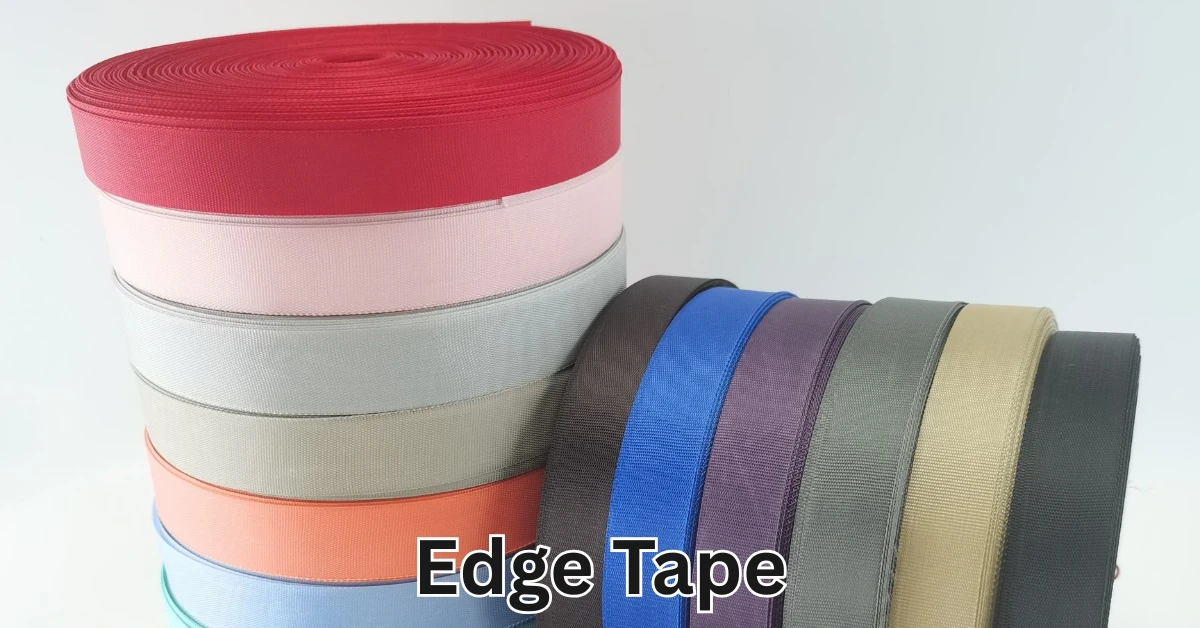
Edge tape is a narrow strip of woven fabric-coated material that covers and protects raw fabric edges in jackets, bags, and other sewn products.
You often see it stitched along seams, hems, and load-bearing corners. It acts as both a shield and a polish.
On one side, it prevents fray and strengthens the seam by up to 20–40%. On the other side, it gives a clean, finished look that makes the product feel more premium. Many factories call it binding tape, bias tape, or seam binding, but the purpose stays the same.
When you touch the inside of a quality jacket or unzip a branded backpack and see a neat line of tape, that’s edge tape quietly doing its job. It may look small, but it carries a big role in durability, water protection, and design clarity.
Key Type of Edge Tape
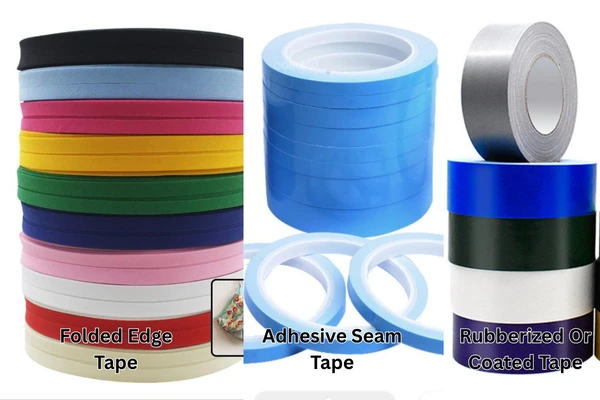
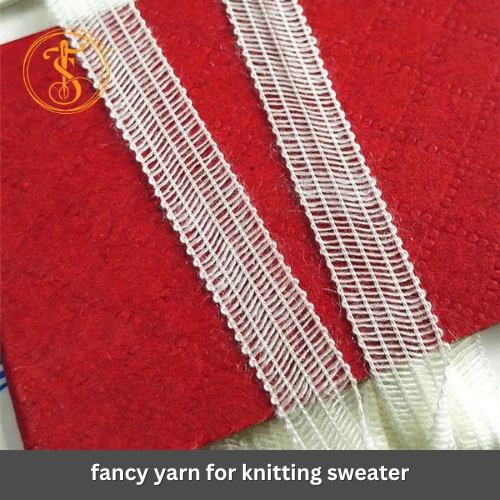
Three common types appear in factories and workshops:
- Folded edge tape (bias or straight): A strip folded over the raw edge and sewn.
- Adhesive seam tape: A film-backed tape that bonds to fabric under heat or pressure.
- Rubberized or coated tape: A laminated tape that adds water resistance or abrasion protection.
Common synonyms you will see in specs: binding tape, seam tape, edge trim, bias tape, and binding. I may call them interchangeably, but each has a different job on the product.
Materials and Widths
Edge tape comes in many materials. Here are five usual ones:
- Nylon (plain or woven): light and strong. Good for backpacks and shell jackets.
- Polyester: color fast and stable. Common in trims.
- Cotton (bias): soft. Common in tailored garments.
- Taped film (PU/TPU): used when water resistance matters.
- Elastic tape: used at hems or cuffs to add stretch.
Typical widths range from 6 mm for narrow trims to 50 mm for wide finishing. Most jacket hems use 10–25 mm. Bag bindings often use 12–40 mm, depending on the panel thickness.
Functions of Edge Tape in Jackets
Edge tape does four jobs in outerwear:
- Seal seams. Adhesive tape blocks water at stitched seams.
- Prevent fray. Folded tape covers raw fabric. Threads stay put.
- Add strength. Tape reinforces high-stress hems and pockets.
- Give a clean look. Tape creates a crisp silhouette. Good design also sells.
Typical Applications
- Hood edges and brim: tape keeps shape and resists abrasion.
- Pocket openings: tape reduces wear from hands and zippers.
- Hem and cuffs: tape stops stretch-out and fraying.
- Seam sealing on waterproof jackets: adhesive tape blocks leaks. That one often saves a warranty claim.
Functions of Edge Tape in Bags
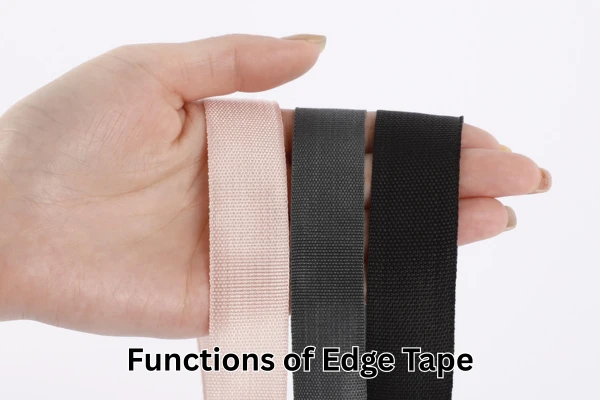
Bags get more abuse than garments. Edge tape helps here, too.
- Reinforce load points. Handles, strap joins, and corners need strength. Tape distributes stress over a wider area.
- Protect exposed seams. Luggage corners face frequent abrasion. Tape adds a sacrificial layer.
- Improve appearance. A neat edge sells quality to customers.
Load points and Wear zones
Corners and strap junctions face impact forces. A narrow tape alone will not stop failure. Combine tape with bar-tacks, rivets, or boxed seams. Tape extends the life of the base details by two to three times in typical use. (Real life depends on fabric, stitch, and load.)
How to Choose Edge Tape for Your Project?
Pick tape with three criteria in mind: performance, look, and process.
Performance Criteria
- Abrasion resistance: Measured by cycles in lab tests. Choose higher when the gear faces rough surfaces.
- Water resistance: Use PU/TPU-laminated tape for seam sealing.
- Flexibility: Thin tape suits soft fabrics; thick tape suits stiff panels.
- Temperature tolerance: Select adhesives and films that match your factory heat settings.
Aesthetic Criteria
- Color match or contrast. Tape can hide seams or highlight them.
- Texture: Matte tape reads as technical. Gloss tape reads as premium.
- Edge profile: The Rounded edge tape looks softer. Sharp fold gives a tailored look.
Application Methods and Best Practices
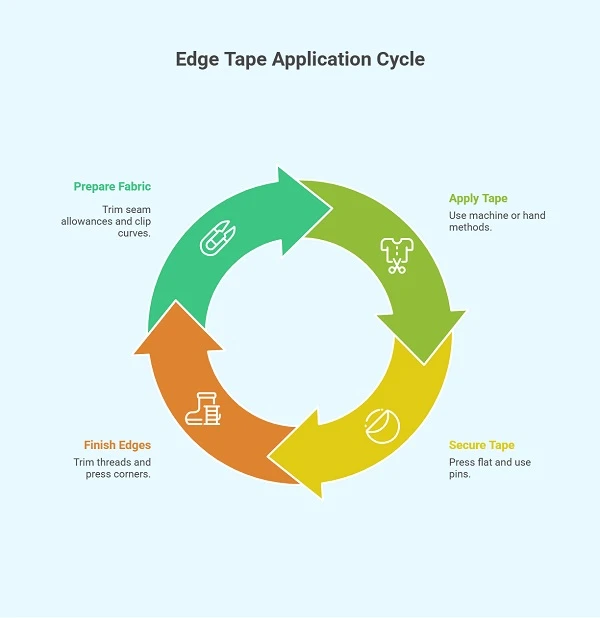
Edge tape will fail if misapplied. Here are proven methods.
Machine Application
- Use a binder foot or a special tape guide.
- Choose stitch length 2.5–4 mm for most woven fabrics.
- Use a thread an eighth to a quarter strength higher than the fabric tensile strength. That prevents seam tears before the thread breaks.
- For adhesive tapes, control temperature and line speed. Test with a sample. Do not guess.
Stitch types & settings
- Single needle topstitch for light garments.
- Double topstitch for heavy-duty bags.
- Zig-zag on elastic edge tape.
Hand Application
- Clip fabric curves every 6–8 mm for neat bends.
- Press the tape flat before sewing.
- Use fine pins or basting to prevent puckers. I say this like a pro, yet I still drop pins. Humans are human.
Tips for neat edges
- Trim seam allowances to a consistent width before taping.
- Use a point presser for sharp corners.
- Check for thread tails; hide them inside the tape fold.
Conclusion
Edge tape plays a small but mighty role. It keeps edges neat, seals seams, and extends product life. In jackets, it protects hoods, hems, and critical seams. In bags, it reinforces corners and load points. The right tape choice saves warranty costs and improves user trust. Try a few types on a sample panel. Measure performance. Then pick the one that meets strength, look, and cost. Also, do not be surprised if you fall in love with a tiny strip of tape. It happens to engineers more than designers, I admit.
Frequently Asked Questions
1: Is edge tape the same as seam tape?
Not always. Edge tape often refers to fabric folded over an edge. Seam tape often refers to an adhesive film that seals seams. Both can overlap in function.
2: Can I sew edge tape on waterproof jackets without ruining the waterproofing?
You can. Use waterproof seam tape over the stitch line. Apply adhesive laminated tape or hot-melt film after sewing for a full seal.
3: What width of edge tape suits most backpacks?
Many makers choose 12–25 mm for panel edges and 20–40 mm at stress points. Wider tape spreads the load better.
4: Can I wash garments with coated edge tape?
Yes, if the tape rating matches the wash temperature. Follow the care label. High-heat washes can degrade some adhesives and films.
5: How do I test edge tape before full production?
Make three samples. Run abrasion tests, water spray tests, and pull tests on taped seams. Record results. Pick the tape that meets your target specs.


Comments - 00
Leave A Reply
Thanks for choosing to leave a comment.