



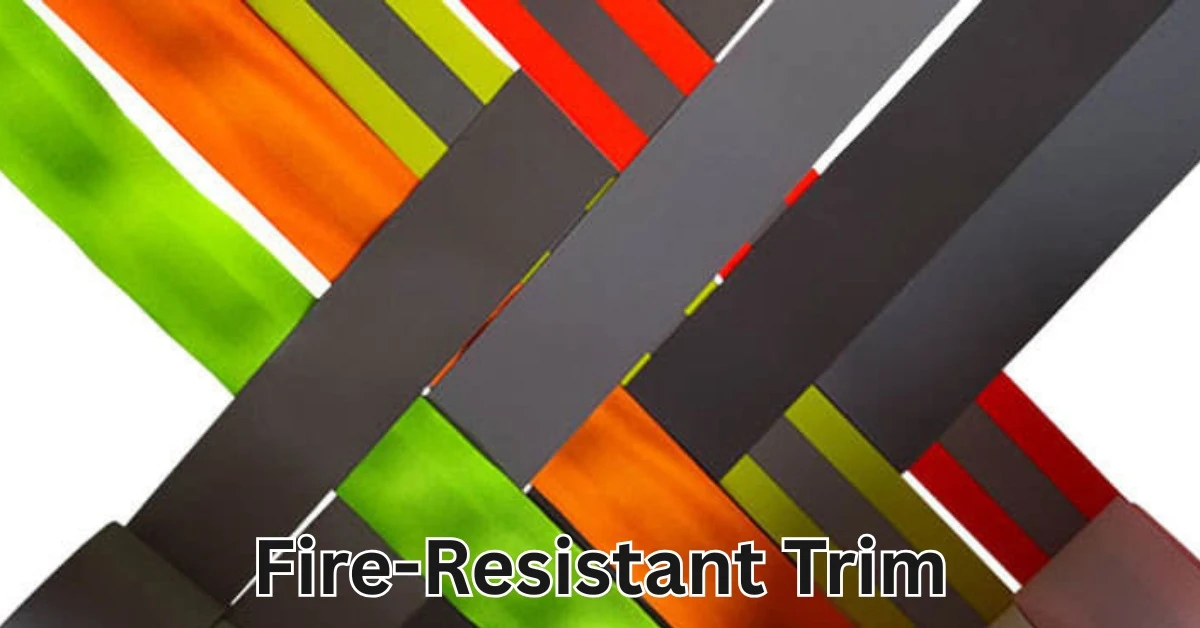
Fire-resistant trim (aka FR trim or flame-resistant trim) means any edging, tape, piping, reflective strip, or decorative band on a protective garment. It resists ignition, will not melt or drip, and will not undermine the garment’s protective performance. In plain words, the trim must behave like the rest of the protective suit when exposed to heat or flame. That matters because a non-FR zipper, reflective strip, or thread can defeat the whole garment.
Table Of Contents
What “fire-resistant” Means for Trims
“Fire-resistant” for trims has three core traits:
- Resist ignition when exposed to flame.
- Self-extinguish after the flame source leaves.
- Not melt or drip onto skin (no molten plastic).
These are measurable traits. Manufacturers test trims for ignition, heat transfer, and shrinkage to check those traits. The bottom line: trims must not create a weak link.
Inherent Vs Treated Trim
- Inherent FR trim. The fiber itself resists flame. Protection lasts the product's life. Examples include aramid and modacrylic fibers.
- Treated FR trim. A finish applied to ordinary fiber. It may wash out. Use with caution on long-life PPE.
If you need durability for 50+ wash cycles, pick FR trims. If you hope to save a few cents, read the label. Treated finishes lose effectiveness with time and heat.
Materials, Types, And Common Constructions
Common FR Fibers Used In Trims
Aramid Cloth / Nomex / Kevlar (H4)
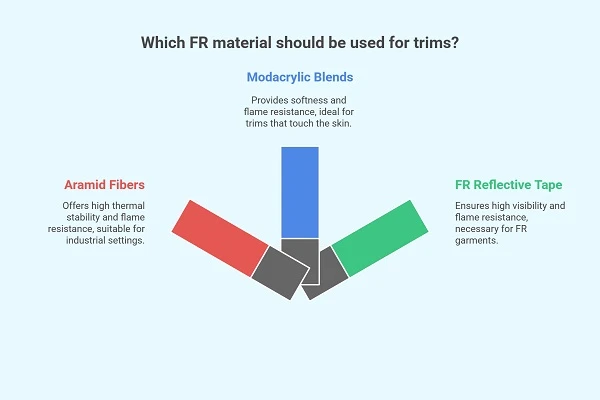
Aramid fibers (meta-aramid: Nomex; para-aramid: Kevlar) offer high thermal stability. Some aramid cloth tapes claim temperature resistance above 300–400 °C in datasheets. They do not melt. They char and resist flame. These traits make aramid trims common in oil & gas, electrical, and industrial settings.
Modacrylic And Other Inherently FR Yarns
Modacrylic gives softness plus flame resistance. Suppliers often blend modacrylic with aramid to balance comfort and performance. For trims that touch the skin, those blends appear often.
Reflective + FR How They Combine
High-visibility reflective tape can be FR or non-FR. When you add reflective tape to an FR garment, choose FR reflective tape specially tested to meet the garment’s standard. Non-FR reflective tape can melt or ignite and must not be used on certified FR garments. Products called “FR reflective trims” exist for this exact need.
Standards And Performance Expectations
NFPA 2112 and component requirements
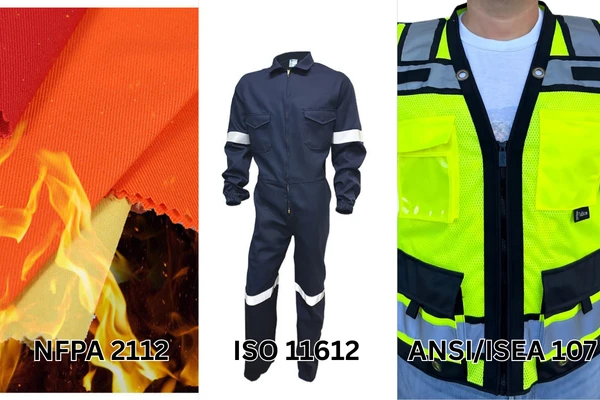
NFPA 2112 (flash fire protection) is explicit: components of a certified garment—zippers, threads, and trims—must not reduce the protective properties of the garment. In other words, if the garment is NFPA 2112-compliant, the trim should also meet component performance requirements. This rule protects workers in oil, gas, and petrochemical jobs.
ISO 11612 Protective Clothing Against Heat And Flame
ISO 11612 sets lab test methods and required performance levels for clothing that protects against heat and flame. It covers heat contact, convective heat, and radiant heat, among other tests. Designers use ISO 11612 to verify how fabrics and trims behave under realistic heat exposures.
ANSI/ISEA 107 And High-visibility Trim
ANSI/ISEA 107 defines high-visibility construction and performance. It does not itself guarantee flame resistance. If a high-visibility garment must also be FR, choose reflective trims that carry both HVSA and FR ratings. That combination matters in roadside, utility, and rail work.
Selection, Testing, And Practical Guidance
Where To Use FR Trim (Industries & Risks)
Use FR trim in: oil & gas, petrochemicals, welding, foundries, electrical utilities, and any place with flash fire or arc hazards. These industries see short exposures with extreme heat; trims must not fail in those scenarios. OSHA and standards bodies explain that arc and flash hazards produce huge heat in fractions of a second, so every component must hold up.
Attachment, Thread, And Sewing Best Practices
- Use an FR thread that matches the trim’s durability.
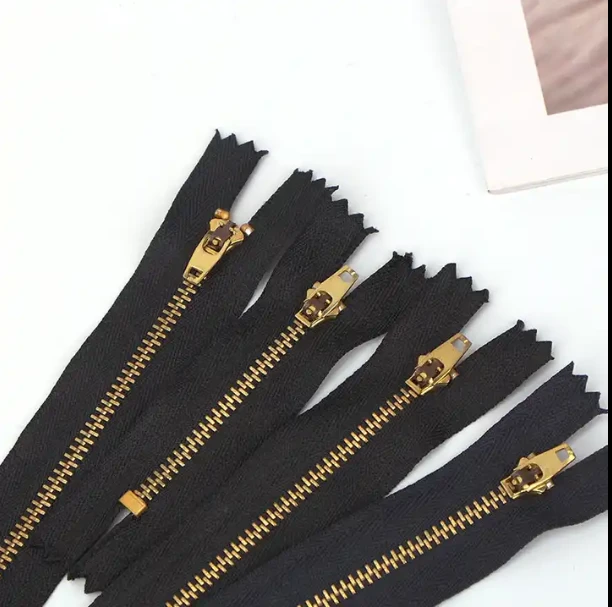
- Avoid metal trims that could conduct heat or produce hot edges.
- Ensure overlap and seam design follow ISO or NFPA guidance to avoid exposed skin. Small mistakes in sewing can expose a weak point.
Care, Laundering, And Inspection Rules
- Check labels: inherent FR lasts. Treated FR may not.
- Inspect trims for fray, shrinkage, or delamination after each wash.
- Replace trims that show >5% fray or visible breakdown. (This is a common industry rule of thumb; follow the manufacturer’s guidance for exact numbers.)
Conclusion
Fire-resistant trim may sound like a small thing. It is not. A single non-FR strip can undermine a certified garment. Choose trims made from inherently FR fibers when you need long-term protection. If you need high visibility or reflective features, pick trims that carry both FR and HVSA claims. Test. Inspect. Replace. And yes — read the tiny label before you sew it on. I speak from experience: I once used shiny tape that looked heroic. It melted in a test, and I learned a lesson. Short, painful lesson. But useful.
FAQs
1: Can I add regular reflective tape to an FR jacket?
No. Regular reflective tape may melt or ignite and can break the garment’s protection. Use FR-rated reflective tape tested for the garment.
2: Does washable mean safe for the long term?
Not always. “Treated” FR finishes can wash out. Inherent FR fibers protect over time. Check lab data and wash-cycle ratings.
3: Do standards require trims to be FR?
Yes, for many standards. NFPA 2112, for example, requires components not to reduce garment protection. ISO 11612 sets performance rules for heat/flame clothing.
4: Which fiber types are safest for trim?
Aramid fibers (Nomex, Kevlar) and modacrylic blends are common. They resist high temperatures and do not melt. Choose based on the hazard and test data.
5: How often should FR trims be inspected?
Inspect before every shift if the job has a high risk. Otherwise, inspect after laundering and at least monthly. Replace trims that show damage, shrinkage, or delamination. Follow manufacturer limits.


Comments - 00
Leave A Reply
Thanks for choosing to leave a comment.