




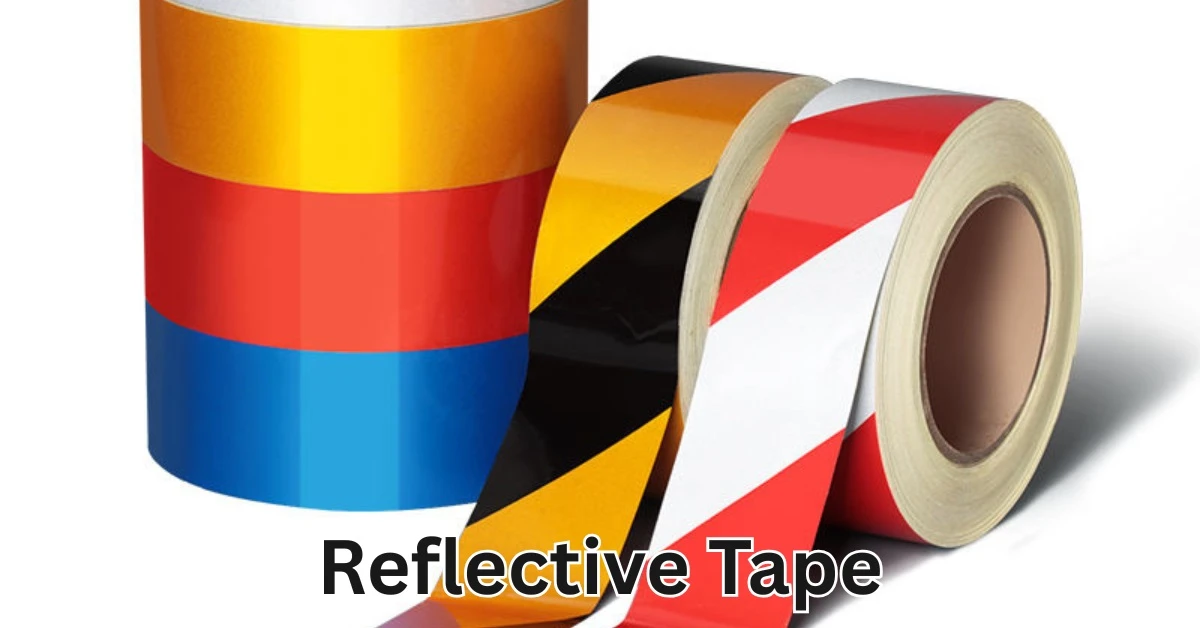
Reflective tape sits in a small category of safety materials, yet it saves thousands of lives each year. I know that sounds dramatic, but numbers prove it. Road visibility drops almost 65% after sunset, and reflective material boosts object detection by more than 300%.
Table Of Contents
What is Reflective Tape
Reflective tape is a narrow strip of material that reflects light to its source. A car headlight hits the tape, the tape throws the light back, and the person appears visible from far away. It acts like a tiny mirror army. You see it everywhere: workwear jackets, backpacks, helmets, vests, shoes, and traffic gear.
Structure and Technology
Two core technologies dominate the reflective world:
- Glass Bead Technology:
Millions of microscopic glass beads sit on a film. Each bead bends and returns light. Cost stays low, so this variant remains common. - Micro-Prismatic Technology:
Tiny triangles (prisms) sit on the surface. Each prism reflects light sharply. This variant gives higher brightness—sometimes 2× to 4× more than glass bead tape.
Manufacturers often layer adhesives, protective films, and reflective coatings to keep the tape durable, washable, and flexible.
Key Performance Features
Reflective tape performance depends on:
- Luminance level (cd/lux/m²): Some premium tapes reach 500+ cd/lux/m².
- Weather resistance: UV, rain, and dust break cheap tapes fast.
- Heat tolerance: Workwear tapes must survive 60–90°C industrial washes.
- Flexibility: Sportswear needs stretch-friendly variants.
Why Reflective Tape Matters for Safety
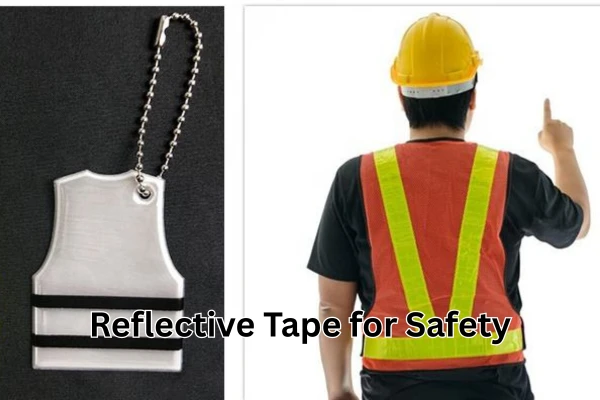
Night visibility often decides life or death in traffic. Pedestrians without reflective elements face a 3× higher accident probability. A cyclist with reflective tape on the ankle or calf becomes visible from over 150 meters.
Visibility Statistics
- Human visibility drops from 80 meters in daylight to 20–25 meters at night.
- Reflective tape pushes that number up to 120–200 meters, depending on the type.
- High-risk jobs like construction and roadside work use reflective tape as a mandatory requirement in most countries.
Advantages in High-Risk Zones
Reflective tape reduces accident rates, improves worker visibility during storms, and supports hazard marking. Many companies saw a 40% reduction in incidents after adopting high-brightness tapes in uniform design.
Reflective Tape in Sportswear
Sports brands use reflective tape to combine style with safety. Cyclists, night runners, hikers, and even football players depend on it. When speed increases, reaction time decreases. Visibility becomes the one thing that levels the field.
Benefits for Athletes
Athletes gain:
- Early visibility during dawn or dusk
- Better safety near roads
- Stylish elements without extra weight
- Clear body movement tracking for coaches
A runner with reflective panels on shoes and elbows stands out from four times the distance compared to someone without any reflective elements.
Common Sports Applications
You can spot reflective tape on:
- Running jackets
- Cycling jerseys
- Compression tights
- Gloves and socks
- Helmets
- Sports backpacks
- Team training kits
Brands add small strips in motion areas because moving light appears more noticeable to drivers.
Types of Reflective Tape
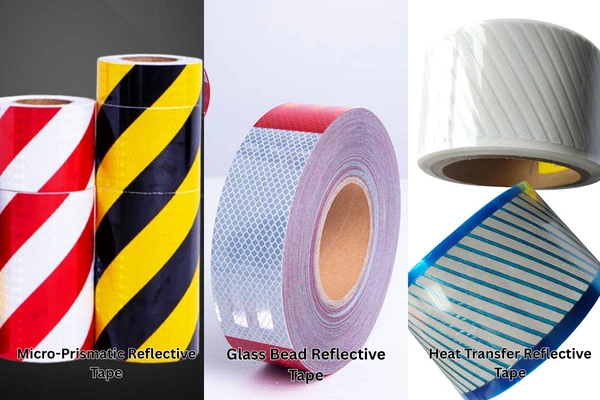
Different tasks need different tape types. Here are the most important ones.
Micro-Prismatic Reflective Tape
High brightness, long durability, and sharp reflection. Ideal for industrial and roadside workwear.
Glass Bead Reflective Tape
Affordable, flexible, and good for casual wear. Common in fashion and low-intensity sports.
Heat Transfer Reflective Tape
Designed for sportswear and activewear. Thin, soft, stretch-friendly. Applied with a heat press.
How to Select the Right Reflective Tape
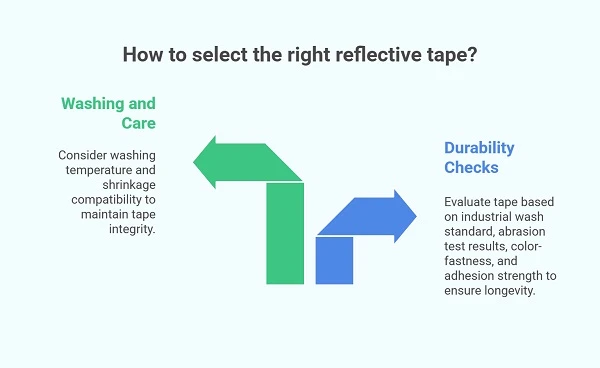
Two products may look similar but differ in performance by a huge margin.
Durability Checks
Look for:
- Industrial wash standard ISO 15797
- Abrasion test results
- Color-fastness rating
- Adhesion strength
A poor tape cracks after 10 washes. A good tape lasts 50–75 washes.
Washing and Care Factors
Heat transfer tapes need careful washing at 30–40°C. Prismatic tapes survive harsher care. Always check shrinkage compatibility with the base fabric.
Final Tips for Manufacturers
Small placement changes make a big difference in visibility.
Placement Guidelines
- Put reflective tape on moving joints for maximum reflectivity
- Ensure balanced placement on both sides
- Avoid sewing over stretch zones with stiff tape
- Keep the tape width at least 1.5–2.5 cm for visibility
Compliance Standards
Common global standards include:
- EN ISO 20471 for high-visibility clothing
- ANSI/ISEA 107 in the USA
- CSA Z96 in Canada
Compliance improves brand trust and worker safety.
Conclusion
Reflective tape may look small, but it carries a powerful responsibility. It protects workers, supports athletes, and raises visibility in low-light zones. If you want safety, performance, and long-term value, reflective tape stands as a simple but essential solution. A strip of light can save lives, and that alone makes it worth every stitch.
FAQs
1. What materials form reflective tape?
Glass beads, micro-prisms, adhesives, and protective films.
2. Can reflective tape work during the day?
Yes. It improves visibility during fog, rain, and dust.
3. Is heat transfer reflective tape suitable for sportswear?
Yes. It fits stretch fabrics well and stays lightweight.
4. How long does reflective tape last on garments?
Good quality tape lasts 50–75 washes on average.
5. Does reflective tape fade?
Cheap variants fade fast under UV light. High-quality versions stay bright longer.

.webp)




Comments - 00
Leave A Reply
Thanks for choosing to leave a comment.