




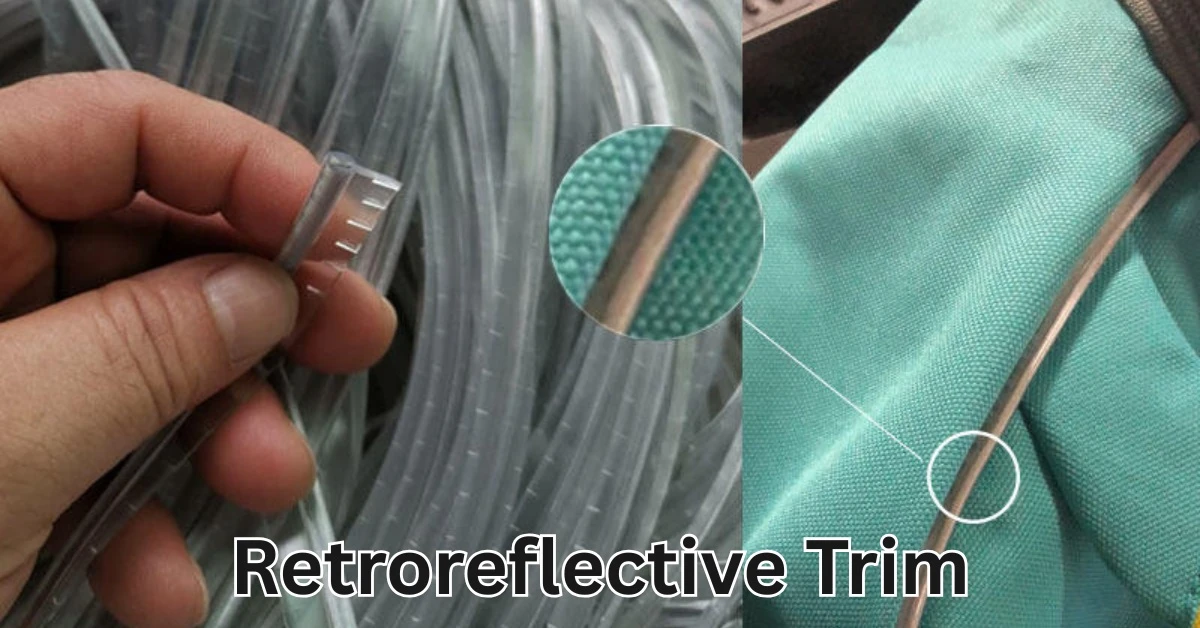
Retroreflective trim looks simple at first glance, but it hides advanced optical engineering. Approximately 1.3 million road accidents occur each year due to poor visibility. That number alone demonstrates why reflective accessories are important.
So what is retroreflective trim? It is a specially engineered textile accessory that reflects light toward the source. The effect boosts visibility in low-light areas, fog, or night work zones. I once joked that retroreflective trim works harder than most humans on a night shift, and honestly, it is true.
Table Of Contents
What Is Retroreflective Trim?
Retroreflective trim is a safety accessory added to garments, bags, footwear, and industrial uniforms. It uses micro-sized optical elements to redirect light. It is similar to reflective tape but used on the edge of fabric.
In simple words, if a car headlight shines at it, the trim throws the light straight back in the same direction. This direct return creates a bright “glow” that alerts drivers or machine operators.
Why It Matters
- About 65% of fatal pedestrian incidents happen in the dark.
- Workers with reflective garments show up to 85% better detection distance.
- Sports gear brands record a 40% jump in night-running product demand.
These numbers show one thing: retroreflective trim saves lives.
Core Technology Behind Retroreflective Trim
The magic in retroreflective trim comes from two technologies. Both use microscopic engineering on the material surface.

1. Glass Bead Technology
This is the classic version.
How does it work?
Each bead measures roughly 50–70 microns. Light enters the bead, bends due to refraction, hits a reflective layer at the back, and shoots back toward the light source. Think of it like a tiny crystal dome with a built-in mirror.
Features
- High reflectivity under direct light
- Flexible and suitable for fabrics
- Good durability for outdoor gear
2. Microprismatic Technology
This one looks more futuristic.
How does it work?
Instead of beads, it uses tiny prisms. Each prism has three faces that bounce light between themselves like a miniature light tunnel. The result gives sharp, intense brightness.
Features
- Higher luminance than the beads
- Great for industrial garments
- Long service life (often more than 5 years)
Types of Retroreflective Trim
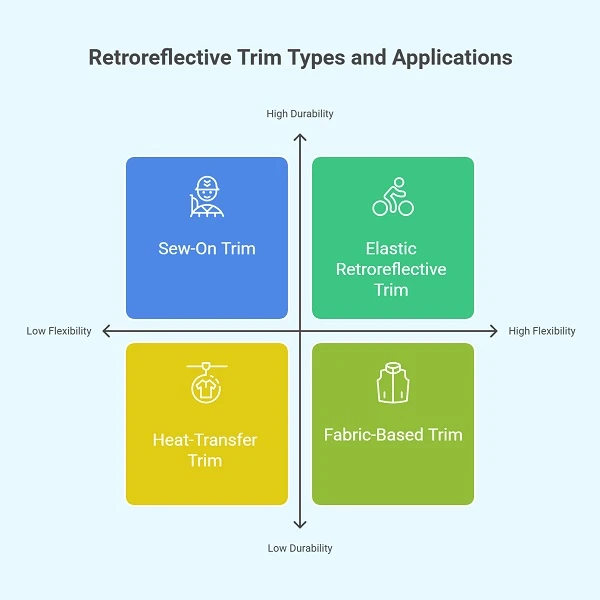
Retroreflective trim comes in several forms. Each type fits a different industry need.
Fabric-Based Trim
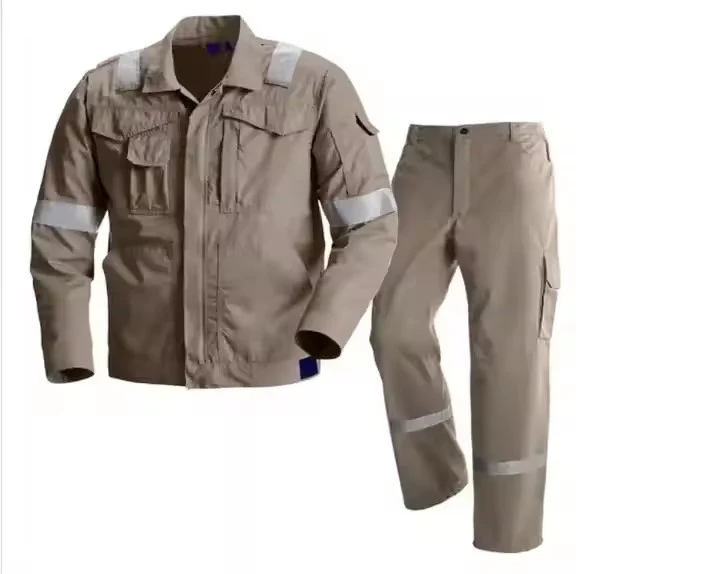
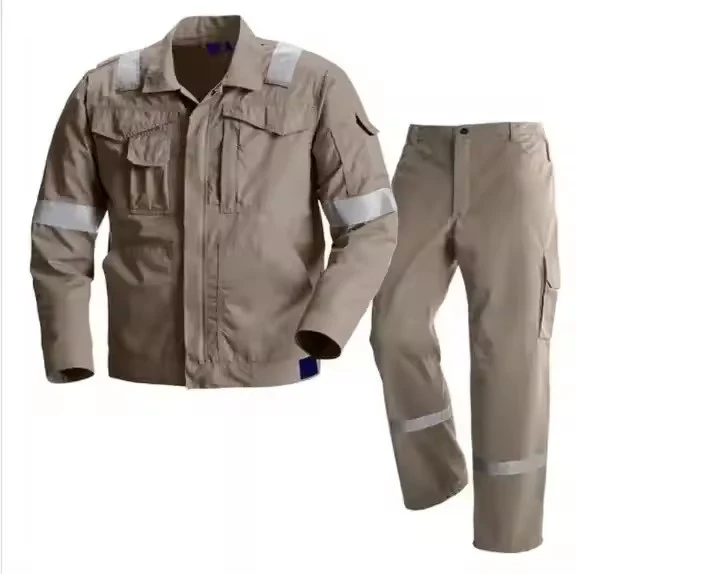
Made for jackets, workwear, bags, and uniforms. It stays flexible and soft. Fashion designers use it for both safety and style.
Heat-Transfer Trim
This trim attaches through heat. Brands like it because it adds no bulk. It also fits irregular shapes or logos.
Sew-On Trim
The classic option. It offers strong bonding and high durability. Factories use it for industrial uniforms or sports gear.
Elastic Retroreflective Trim
Perfect for activewear, compression clothing, or bike apparel. It stretches without losing reflectivity.
Applications Across Industries
Workwear & Industrial Apparel
Construction, mining, utilities, and oil-gas workers rely on retroreflective trims. Studies show a 60% improvement in detection distance with certified reflective trim.
Sportswear
Runners, cyclists, and hikers use reflective gear. More than 50% of night runners prefer reflective accessories over LED accessories due to comfort.
Fashion Industry
Luxury brands use reflective elements for visual impact. Streetwear sees a 30% growth in reflective accents each year.
Military and Tactical Gear
Used for identification, signaling, and night visibility.
Performance Standards
To avoid unreliable products, trims follow global standards.
Main Certifications
- ANSI/ISEA 107
- EN 20471
- CSA Z96
These standards measure reflectivity in candelas per lux per square meter. High-quality trims show values above 300 cd/lx/m².
Factors That Affect Reflectivity
1. Dirt and Contamination
Even 10% dirt coverage reduces reflectivity by more than 25%.
2. Fabric Orientation
Retroreflection works best when the trim faces the light source.
3. Wear and Tear
Scratches or abrasions reduce the optical performance.
4. Washing Cycles
Bead-based trims survive up to 50 washes. Microprismatic trims survive 100+ washes.
How to Identify Good Retroreflective Trim?
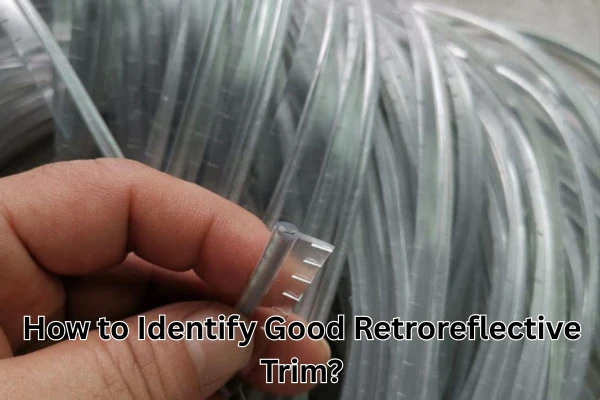
Key Points
- Check certification labels
- Measure reflectivity under low light
- Observe whether the trim glows uniformly
- Test it at different angles
A good trim returns light sharply, without dull patches.
Benefits of Retroreflective Trim
Safety
Greater visibility reduces incidents. A study revealed a threefold improvement in driver response time.
Versatility
It suits fashion, sports, and workwear.
Branding
Brands use reflective logo trim for aesthetics and safety.
Conclusion
Retroreflective trim looks small, but it carries a big responsibility. It uses complex optical science packed into tiny beads or prisms. Science creates visibility that saves lives, improves safety records, and even adds style to apparel. If you ever step outside at night and catch your jacket glowing like a superhero cape, now you know the science that sits behind it.
FAQs
1. What makes retroreflective trim different from normal reflective material?
Retroreflective trim returns light to the source, while regular reflective surfaces scatter light.
2. Does retroreflective trim fade?
Yes, it reduces over time due to abrasion, dirt, or washing cycles.
3. Which is better: glass bead or microprismatic trim?
Microprismatic trim shows higher brightness and longer life, but glass bead trim offers better flexibility.
4. Can retroreflective trim work in rain?
Yes. However, moisture may reduce brightness slightly because water changes the light refraction.
5. Is retroreflective trim expensive?
Prices vary. Microprismatic trims cost around 30–40% more than bead-based trims due to advanced engineering


.webp)




Comments - 00
Leave A Reply
Thanks for choosing to leave a comment.